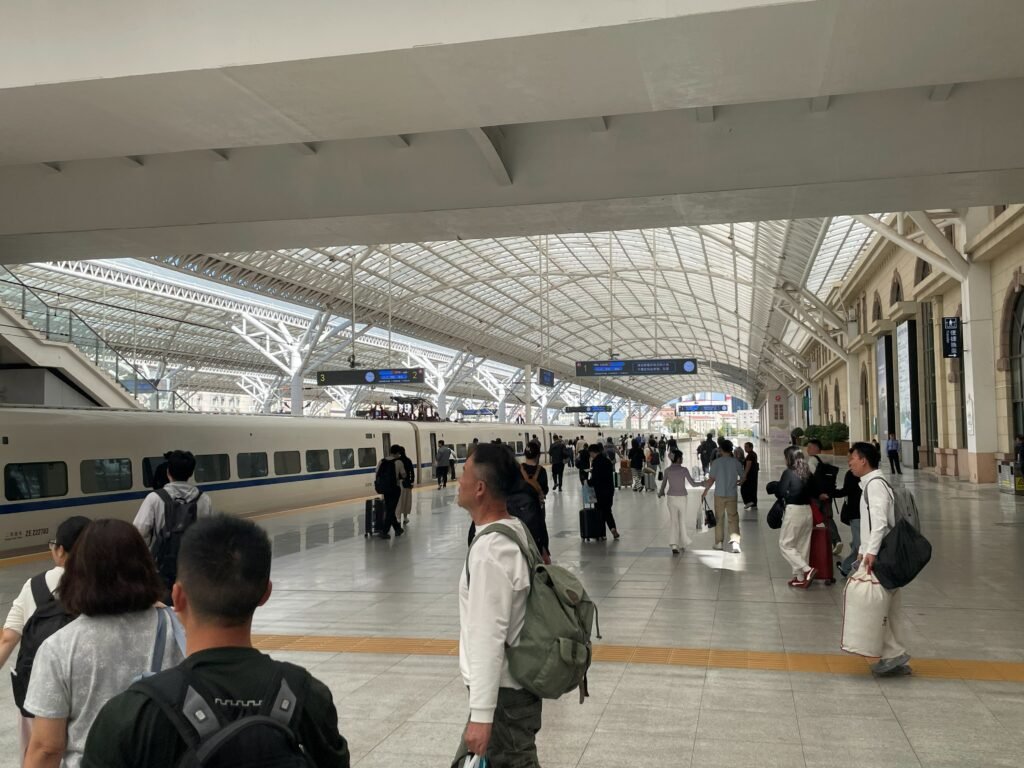
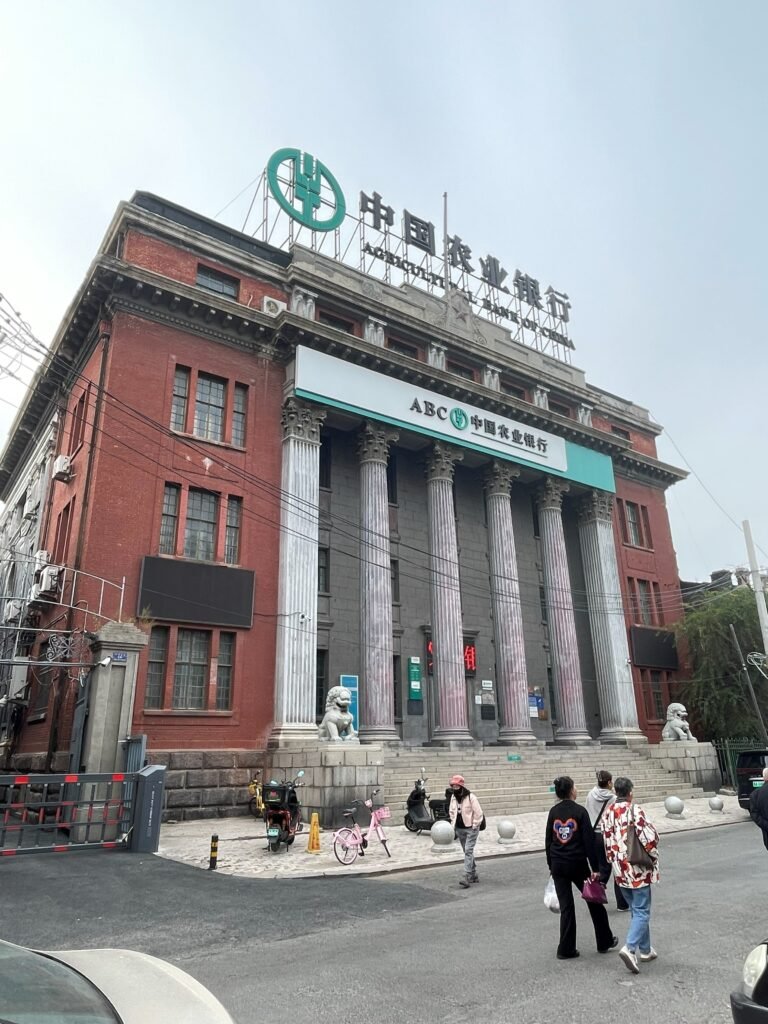
After nearly four weeks travelling across China, I returned to Shanghai for one final night. It seemed appropriate that an expedition which had begun in Shanghai, inspecting the remnants of the British colonial world, should also end there.
And having spent the intervening weeks examining the German, Russian, Japanese and other European settlements across China, I decided to finish in some style.
I booked myself into the magnificent Moller Villa.
A Night at Moller Villa
Built in the 1930s by the wealthy Swedish businessman Eric Moller, the villa is an extraordinary piece of Shanghai’s colonial past. With its turrets, steep roofs, elaborate woodwork and lavish interiors, it looks more like a European fairy-tale castle than a house in the middle of China.
And unlike so many of the buildings I had encountered elsewhere, this one had survived remarkably intact.
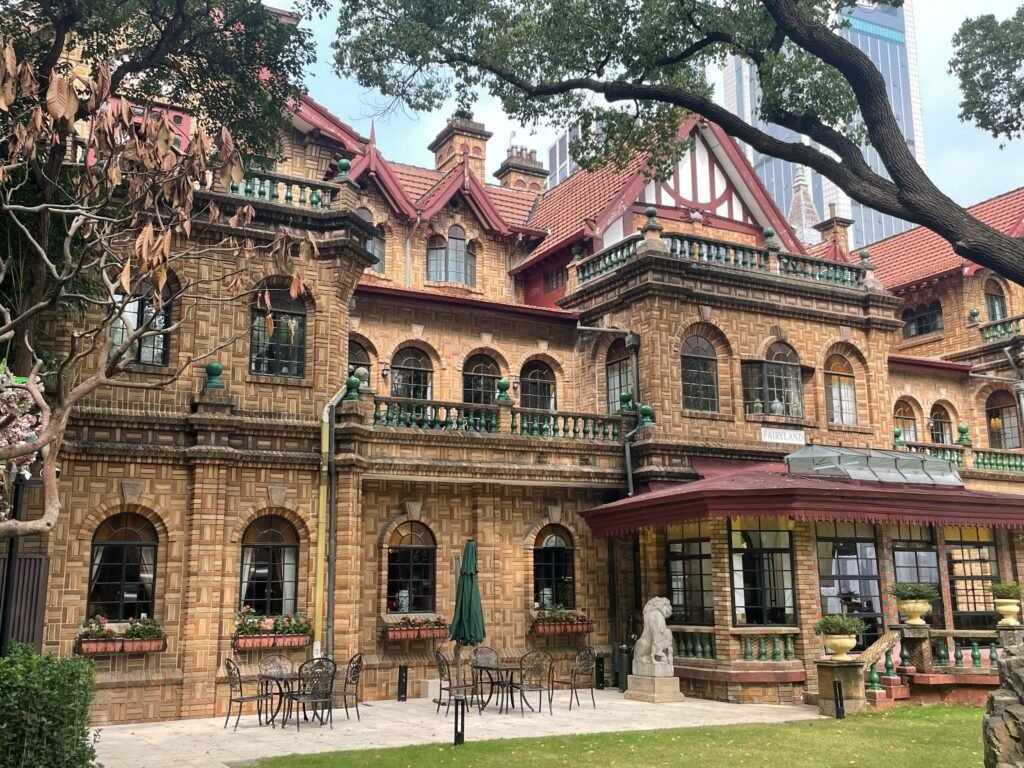
It reminds me greatly of Villa Villekulla from Pippi Langstrømpe. A house I’d also seen in real life, on a visit to Sweden some years ago.
Inside, the opulence continued. Beautiful timber panelling, grand staircases, period furnishings and the sort of craftsmanship that modern hotel developers would struggle to reproduce at any price.
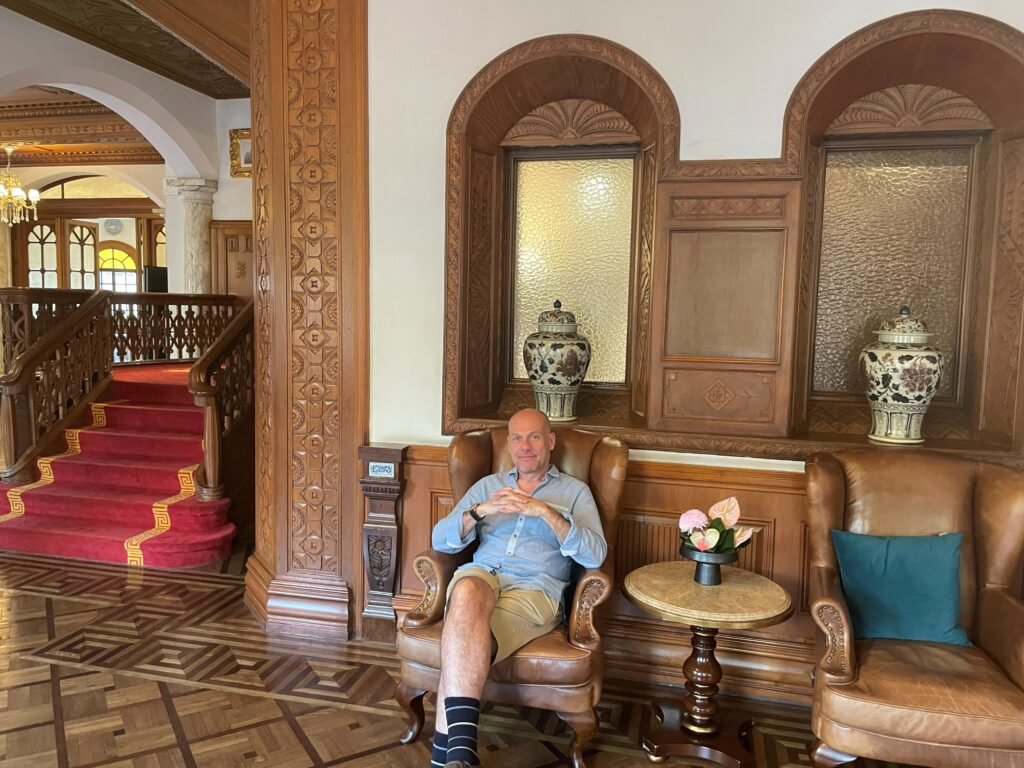
Among the photographs was one suggesting that Moller was rather well connected, including to British royalty.
Moller reportedly left Shanghai in 1941, demonstrating remarkably good timing considering what happened that December. Japan’s attack on Pearl Harbor and the subsequent occupation of Shanghai’s International Settlement brought the old European world crashing down almost overnight.
Perhaps having friends in high places helped.
Whatever the circumstances of his departure, his extraordinary house remained.
And now, more than eighty years later, I was sleeping in it.
Further coincidence comes when you learn that the last of his children is buried in Ireland and only died last year. There’s another story behind that too, which may get investigated some day.
Dinner Above the Bund
Having stepped up the accommodation, I decided to step up dinner as well.
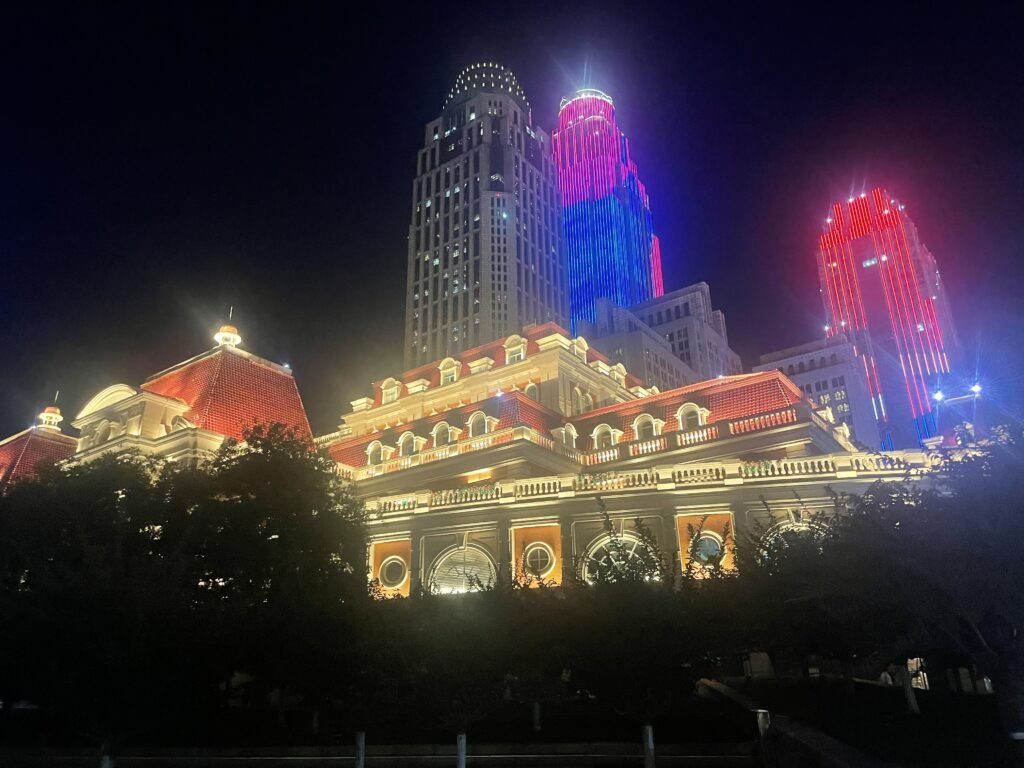
Shanghai’s Bund contains some of the finest commercial architecture of the colonial era. Its great banks, trading houses and hotels were built by men who expected their institutions to remain there for centuries.
I found myself dining on the rooftop of one of these magnificent Art Deco buildings, looking out across the city.
Norwegian salmon. German Riesling. French Bordeaux.
It occurred to me that the old colonial trade connections were still flourishing rather nicely.
The flags have changed, the empires have disappeared, and the political arrangements that created Shanghai’s extraordinary commercial district have long since been swept away.
Yet here I was, sitting atop a former colonial building, enjoying European food and wine in one of the world’s great trading cities.
Commerce, it seems, has a rather longer memory than politics.
One Last Shanghai Morning
The following morning began with an enormous breakfast buffet at Moller Villa.
I must have spent an hour and a half over breakfast, quite possibly the longest hotel breakfast of my life. There was no particular reason to hurry. My flight was not until the evening, and after thousands of kilometres of railway travel, ferries, hotels and colonial ruins, I was beginning to run out of energy.
There were also things waiting for me back in Ireland.
A return to ordinary life. Some unfinished business. My own kitchen.
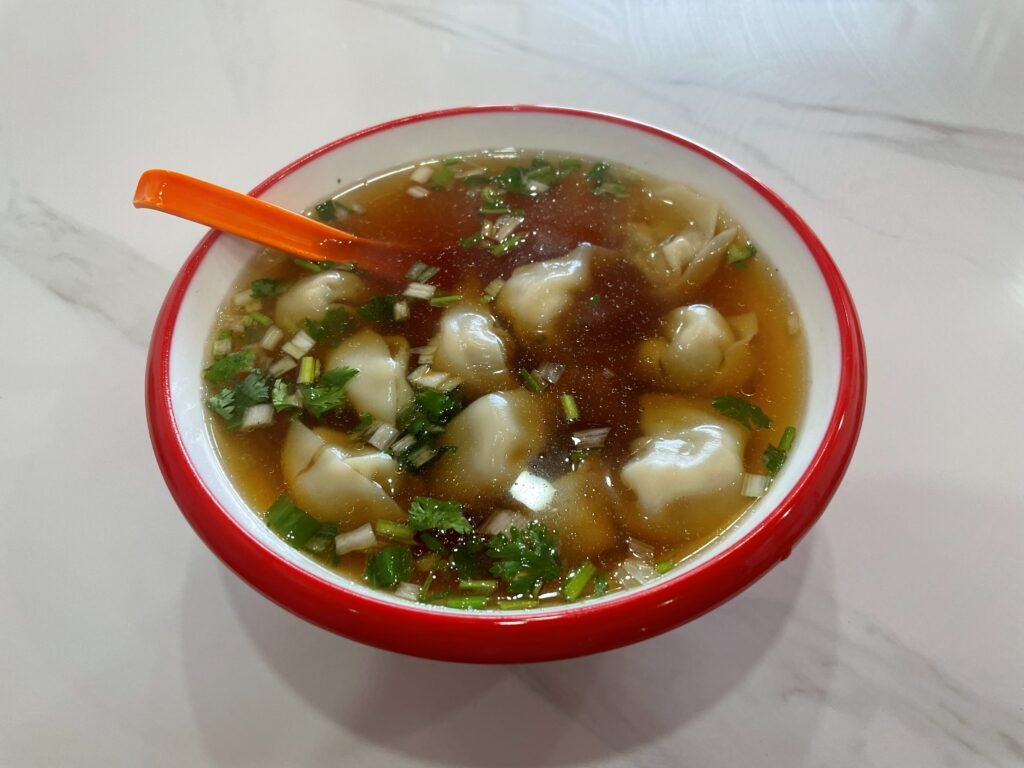
And, frankly, the prospect of a huge steak, homemade chips and a decent bottle of red wine after weeks of MSG-laden Chinese food was becoming increasingly attractive.
I took the day slowly.
Before leaving, I made one final visit to the magnificent former Shanghai Race Club, another surviving monument to the extraordinary wealth and confidence of the city’s European residents during the 1930s.
It seemed a suitable place to conclude the expedition.
Inspecting the Colonies: The Verdict
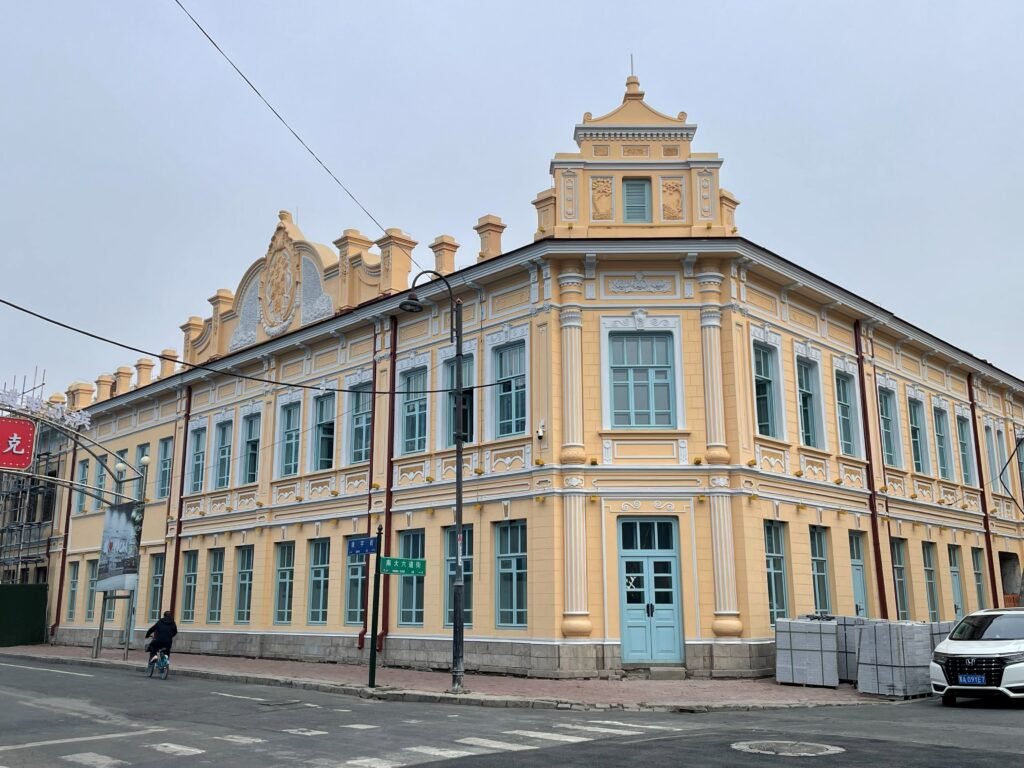
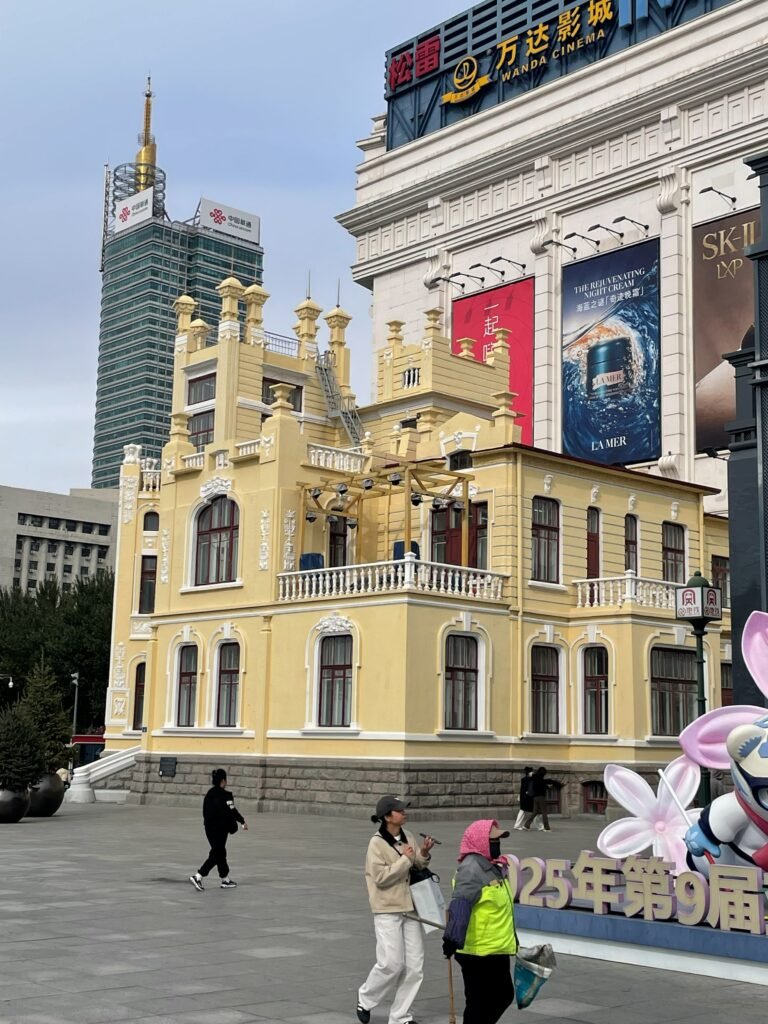
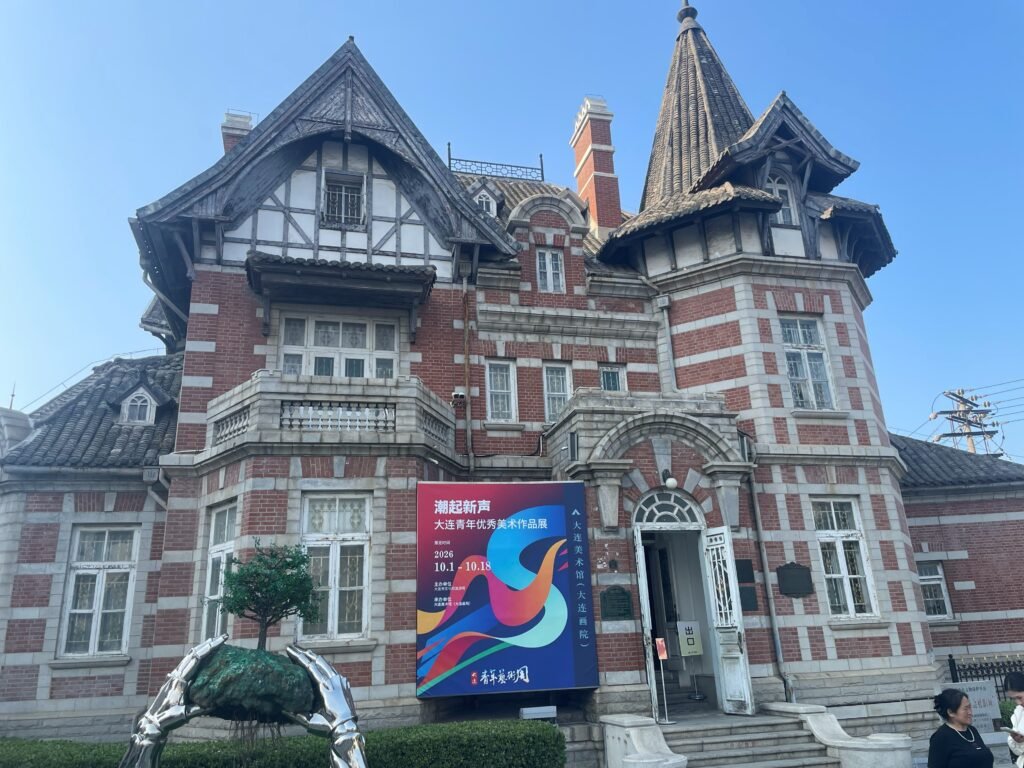
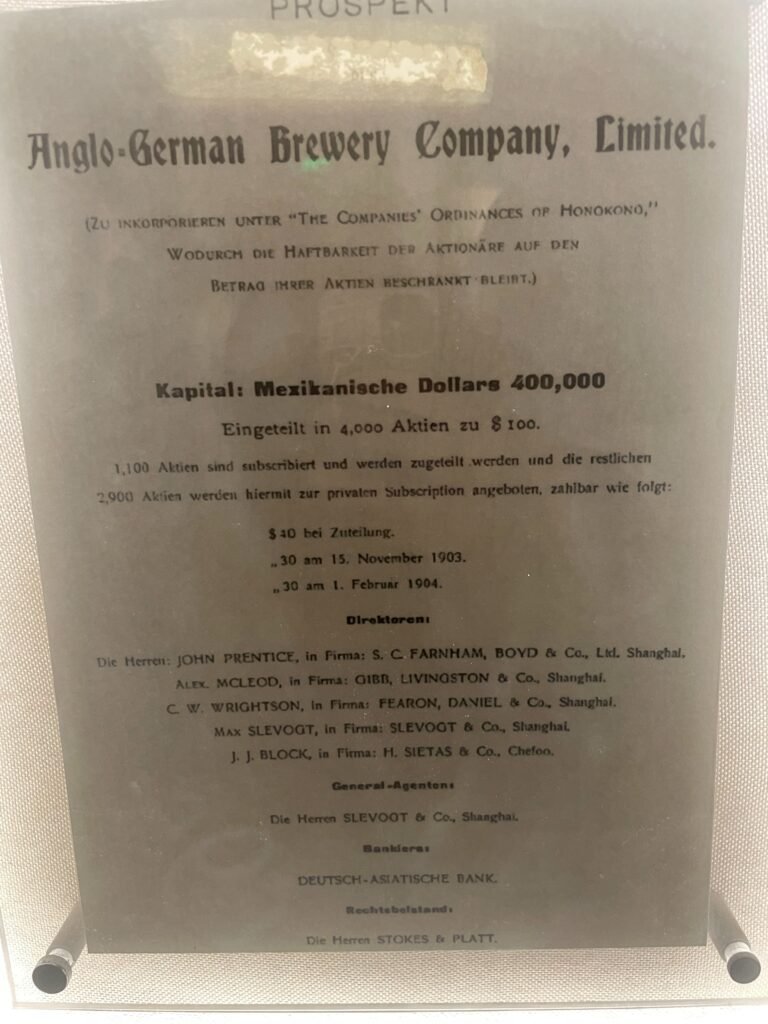
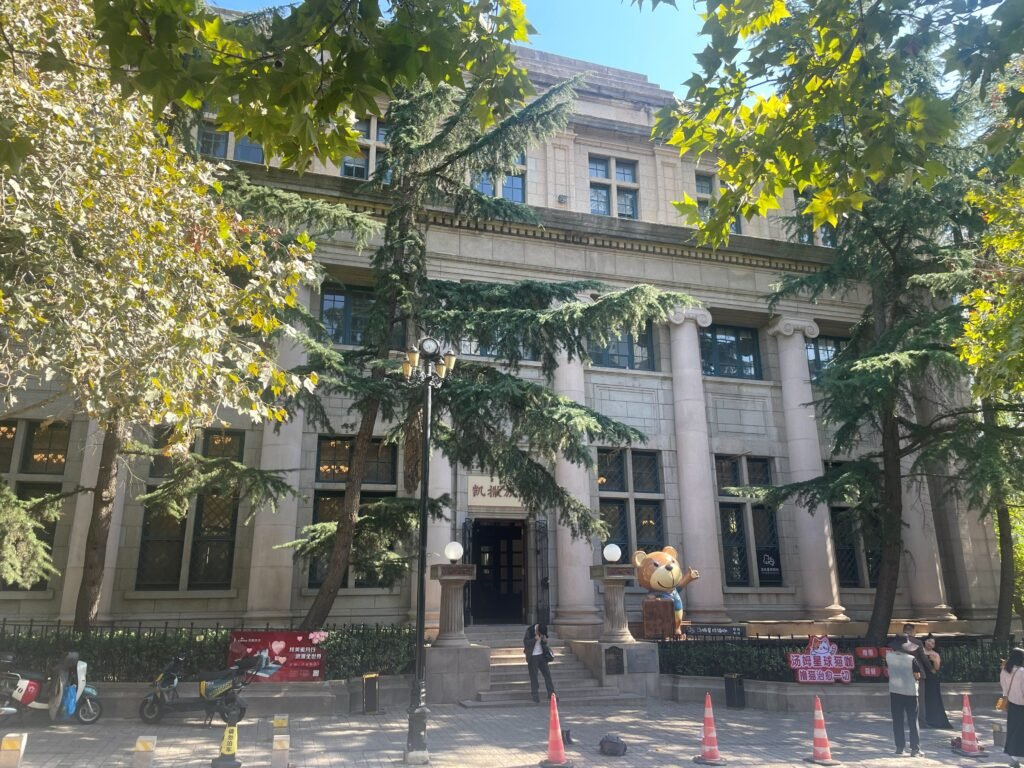
After travelling through Shanghai, Qingdao, Yantai, Dalian, Port Arthur, Harbin and Tianjin, I had formed some fairly definite conclusions.
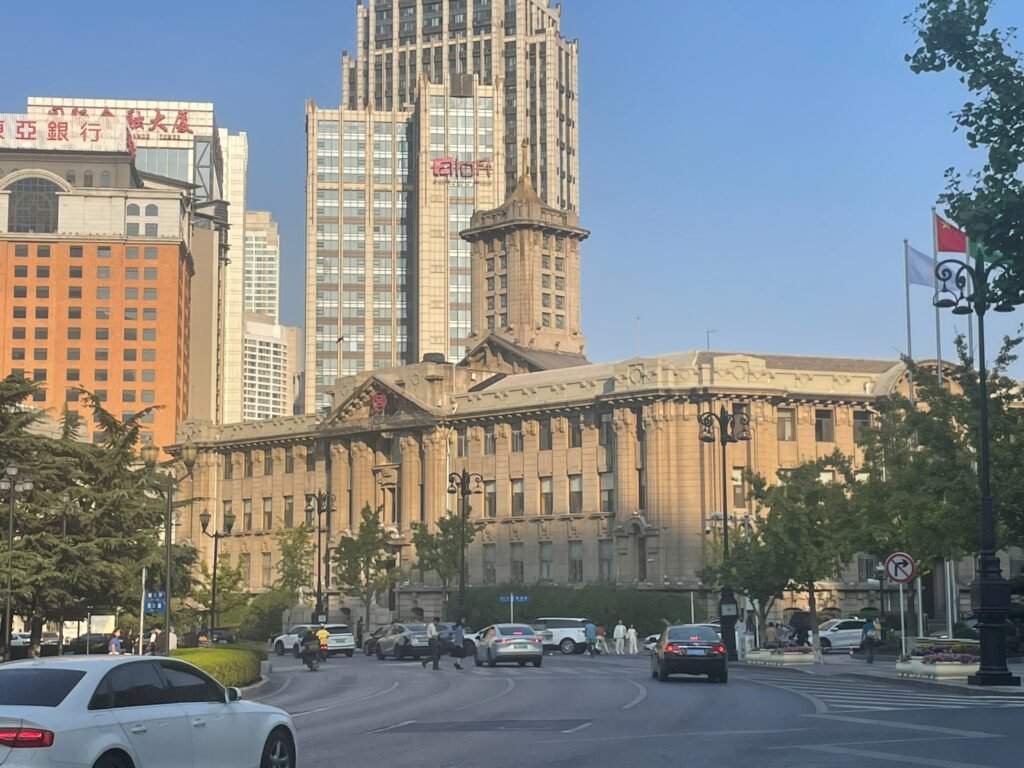
Shanghai is the great survivor. The British-led commercial world that created so much of the city’s colonial architecture has disappeared politically, but its physical and commercial legacy remains remarkably alive. The Bund is still prosperous, its magnificent banks and trading houses have found new purposes, and the former International Settlement remains one of the most impressive urban environments in China.
The old colony is not merely preserved. It is financially successful.
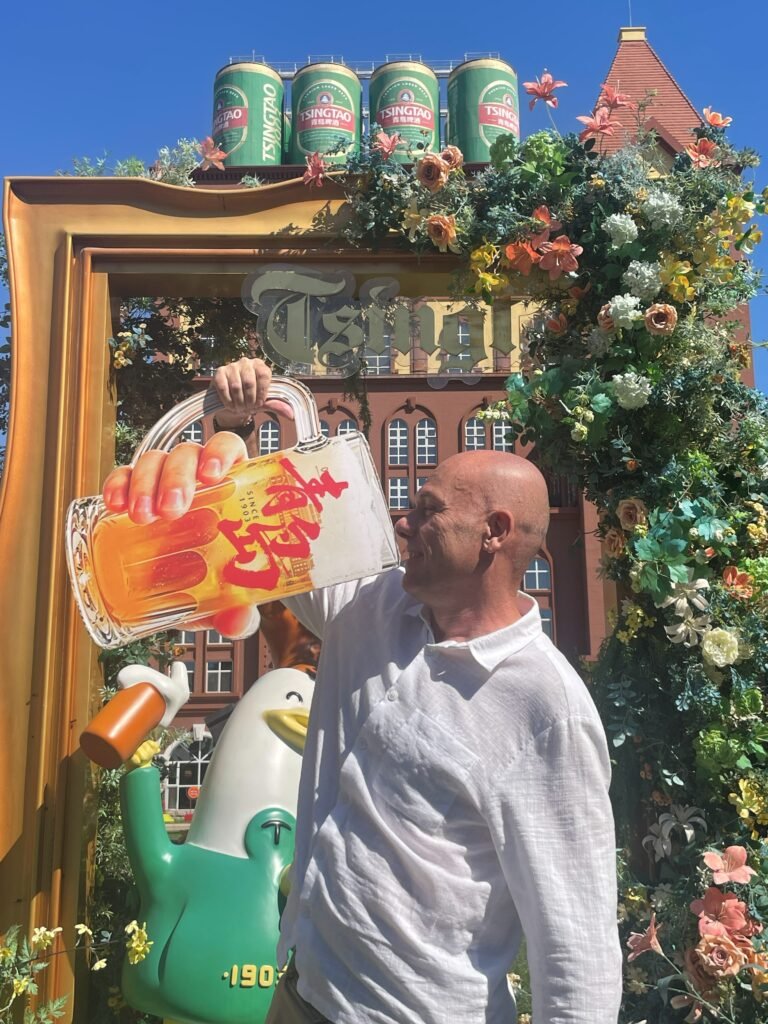
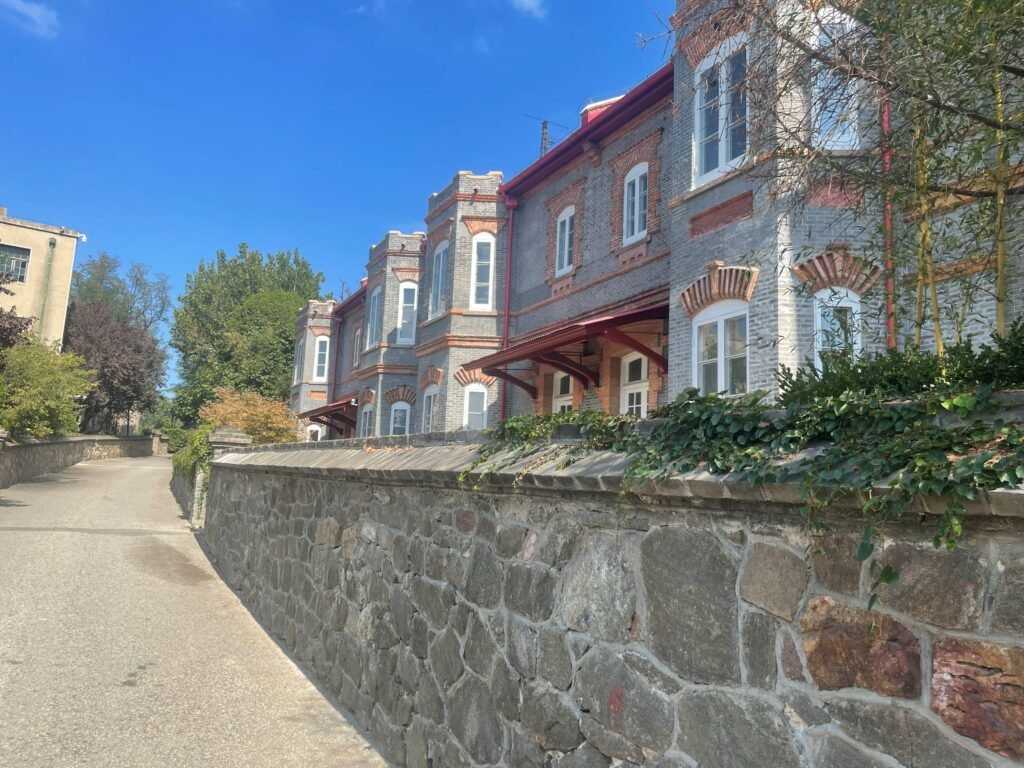
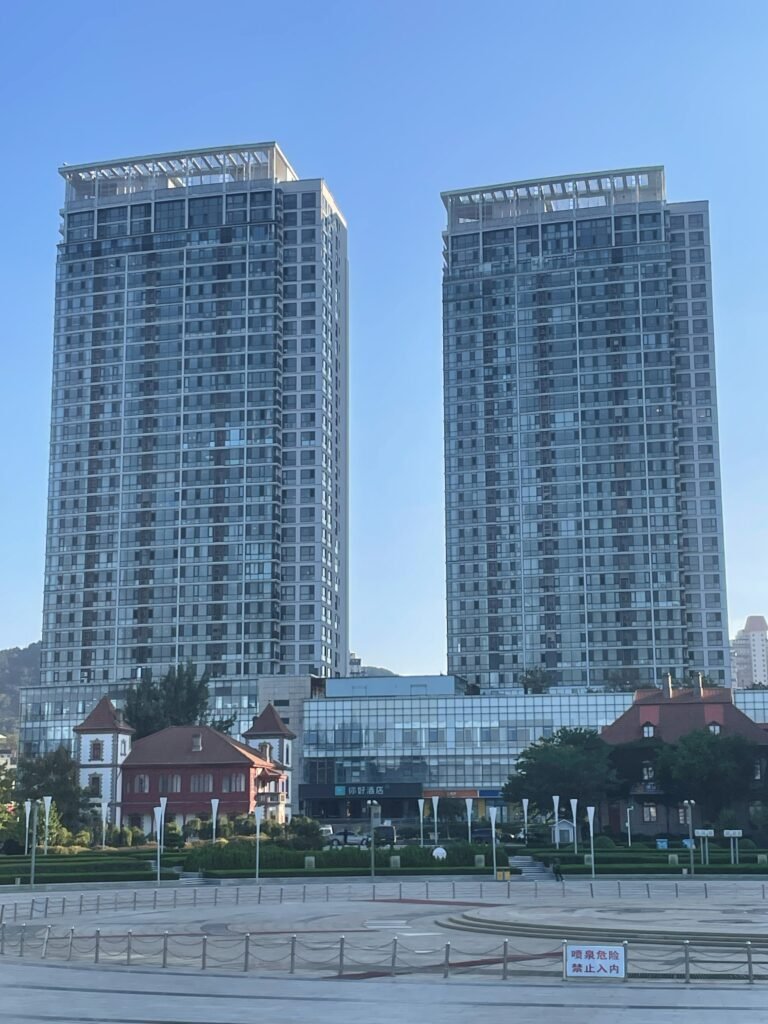
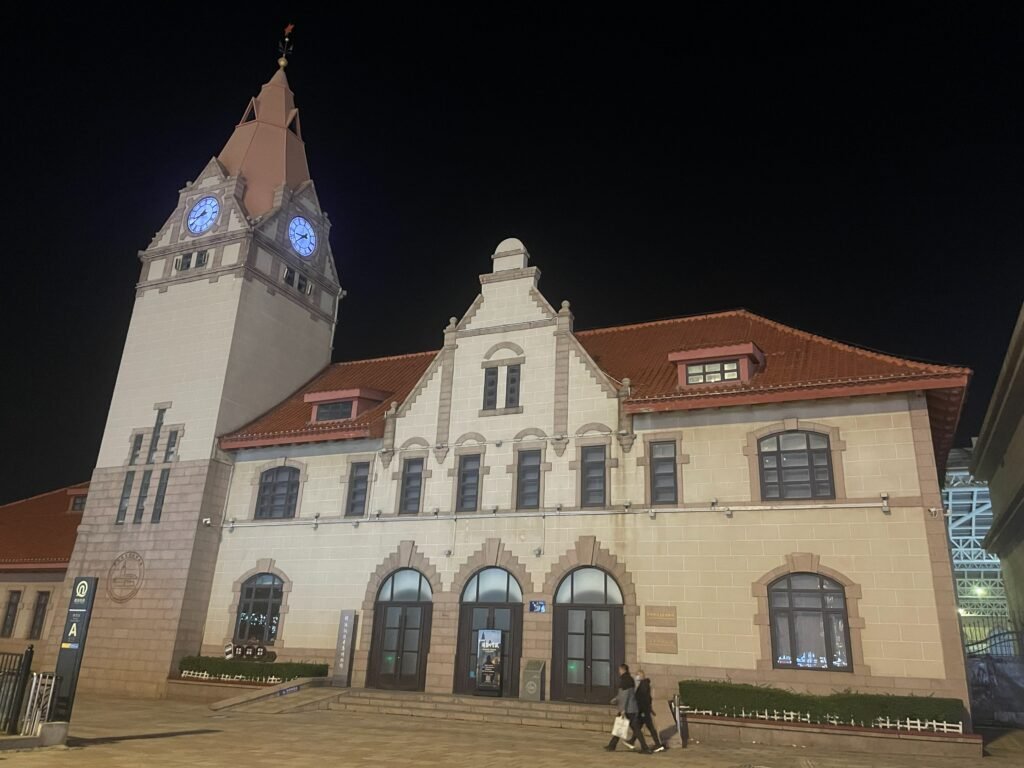
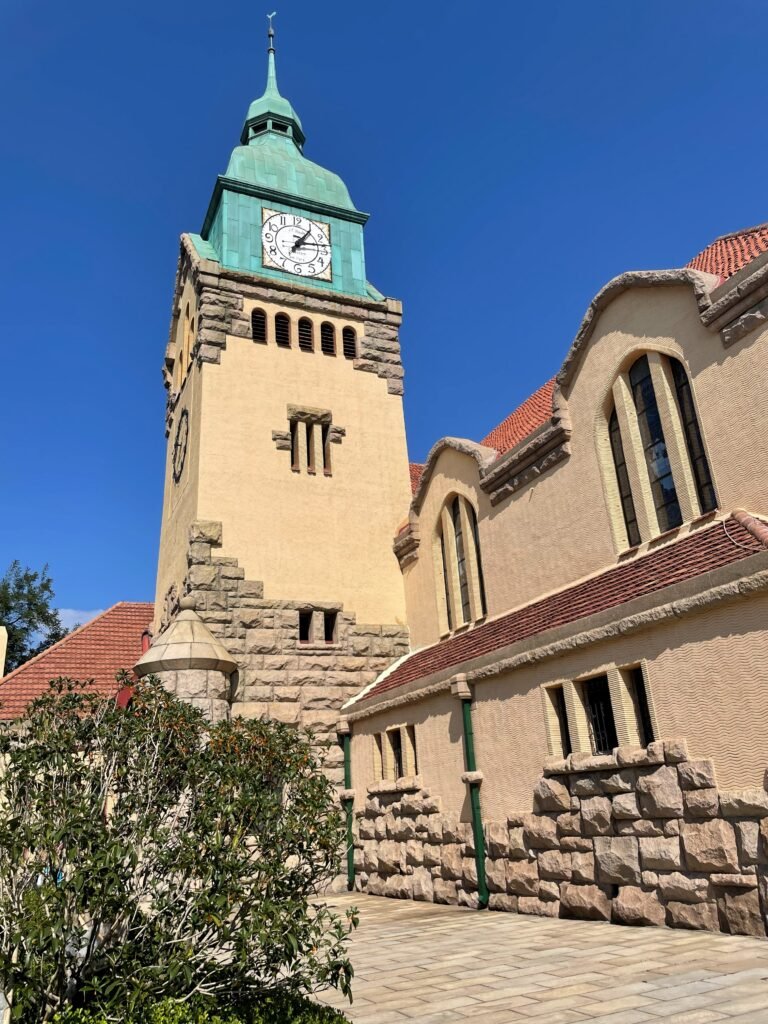
Qingdao is buzzing. The Germans built an extraordinary city, and much of their architectural legacy survives. The brewery still produces beer, the streets remain recognisably European, and the place has a vitality that many of the other former colonial settlements lack.
The German colony has survived remarkably well, although it is now almost entirely free of Germans.
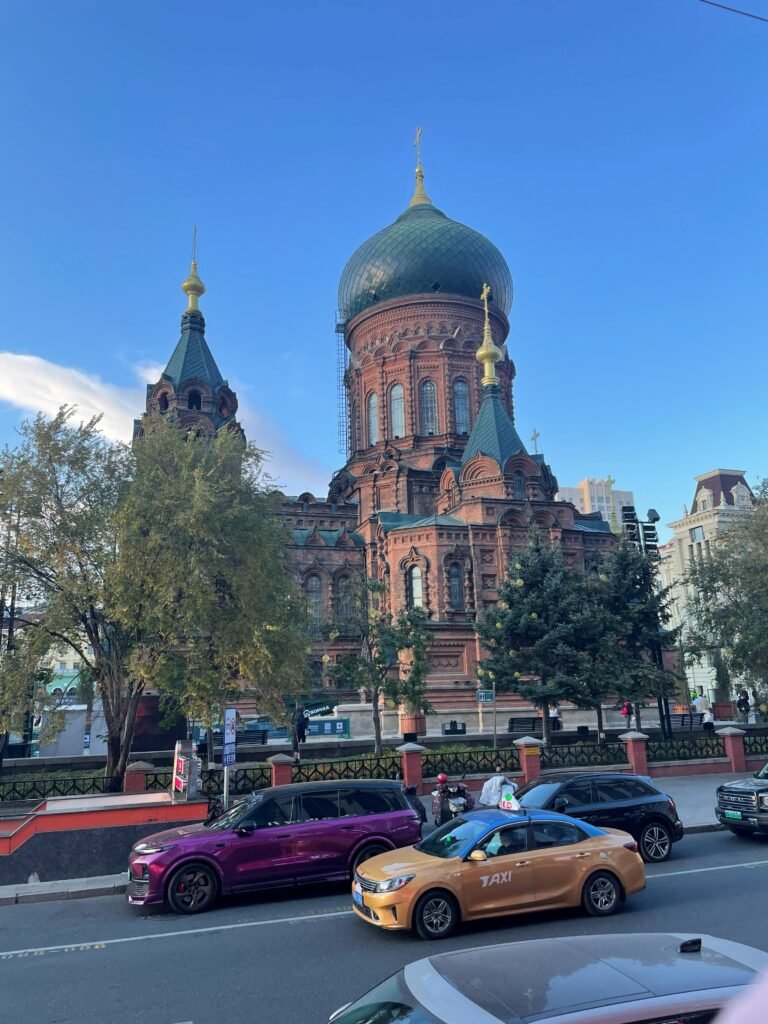
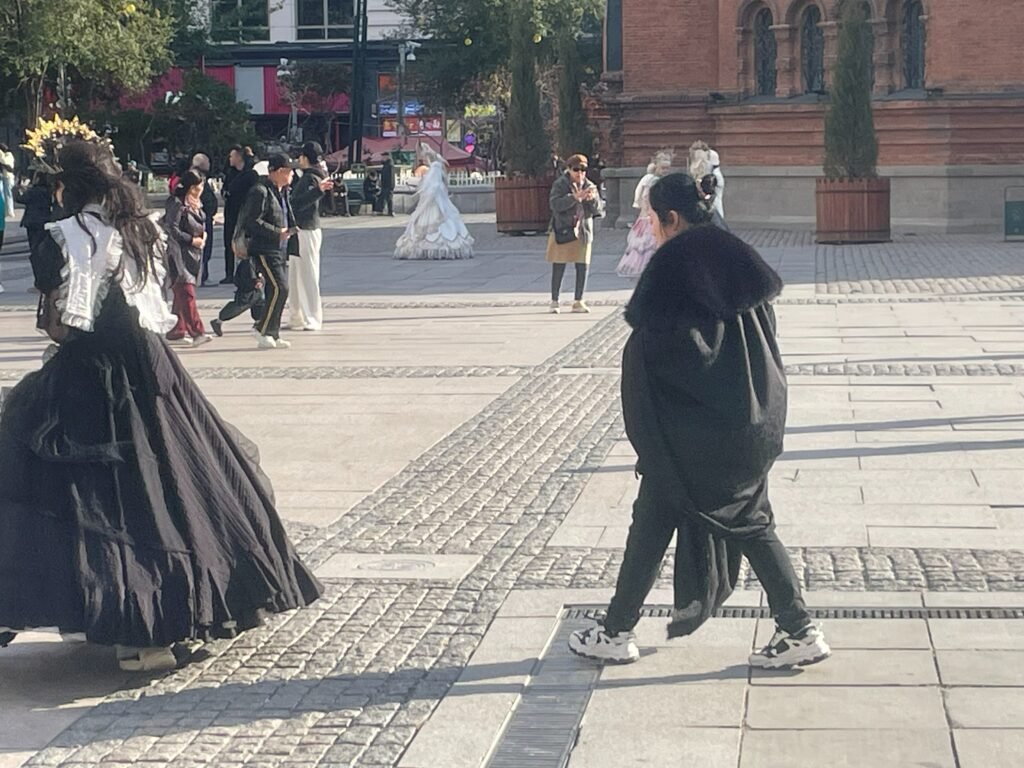
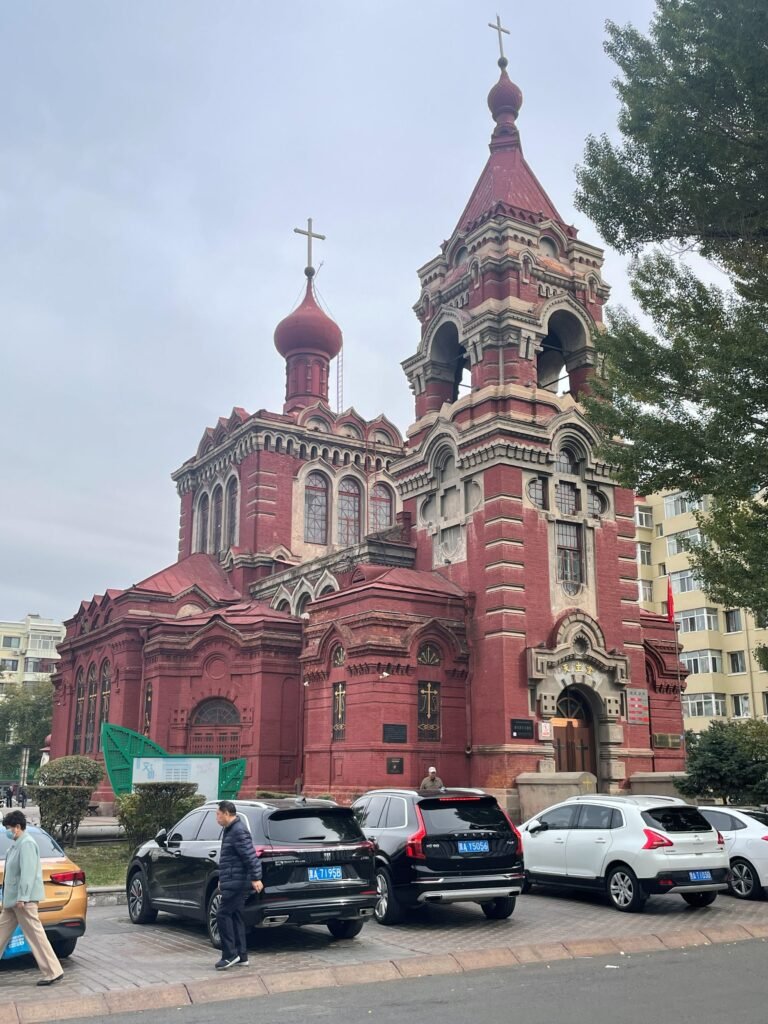
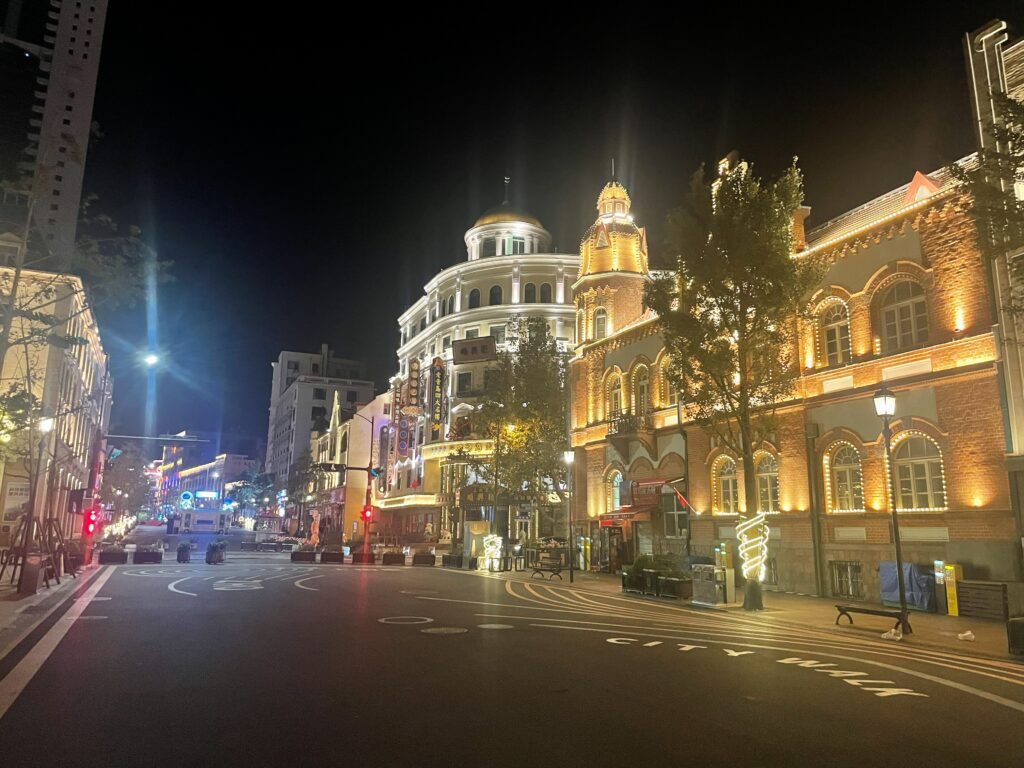
The Russian colonies are a different story. Harbin in particular has rediscovered its Russian heritage, with restored buildings, churches, restaurants and Russian visitors. Yet the enormous Russian population that once made the city famous has vanished. What survives is increasingly a recreation of a world that no longer exists.
The Russians are returning as tourists, not settlers. Their old colony has become a temporary destination rather than a permanent community.
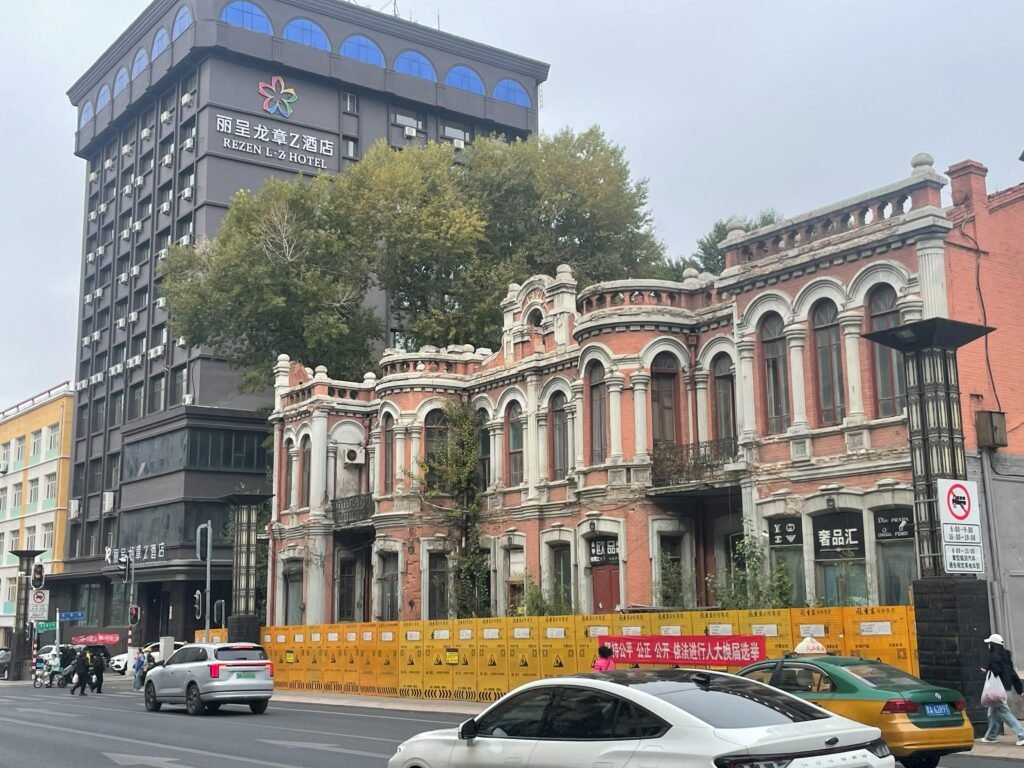
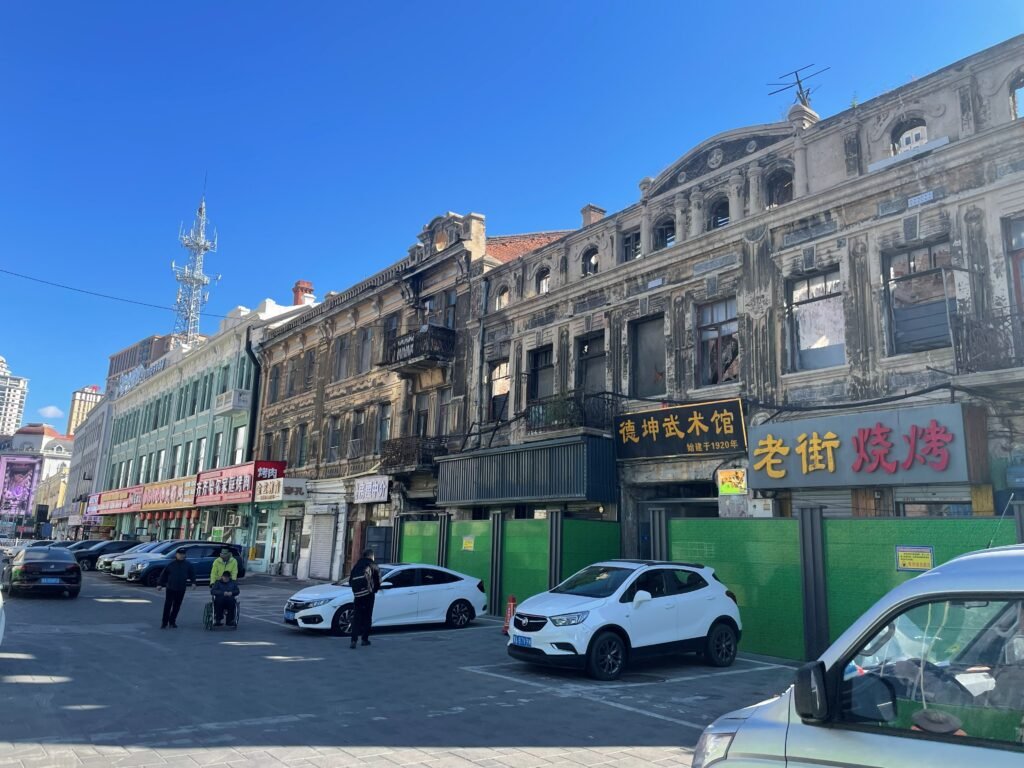
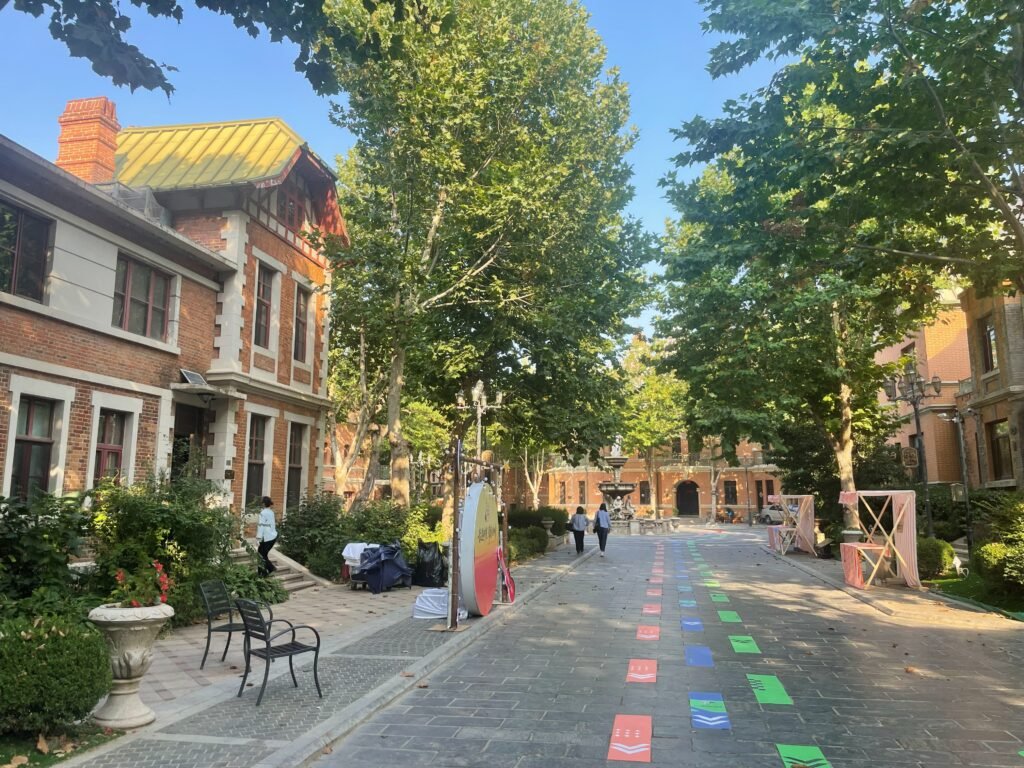
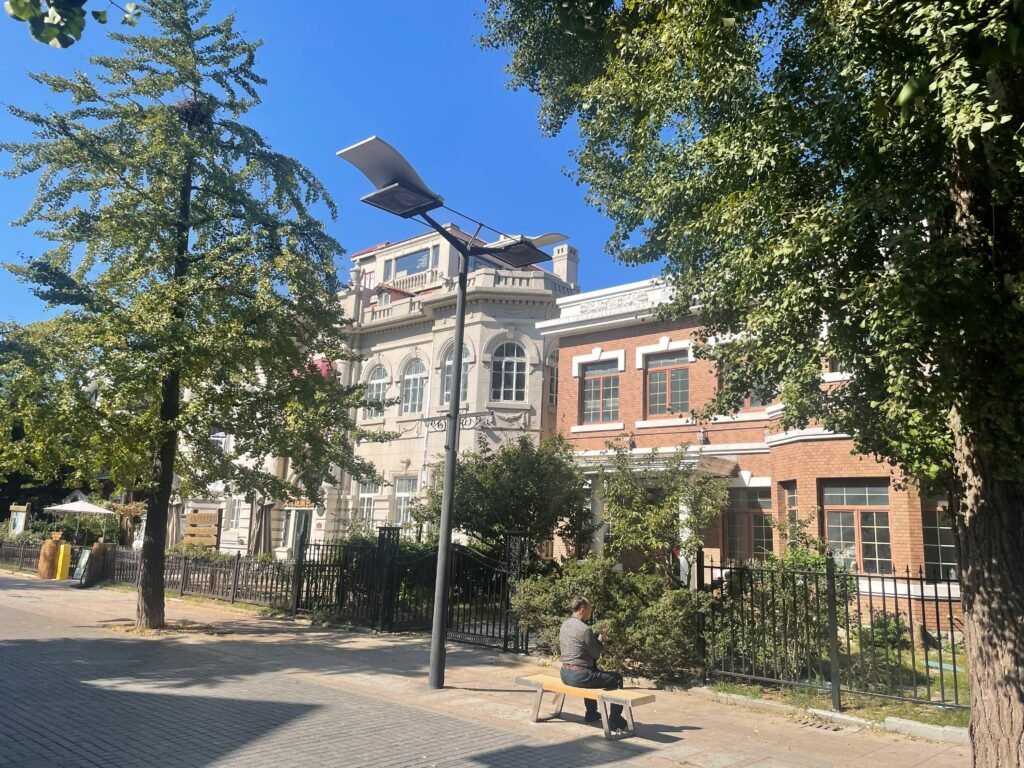
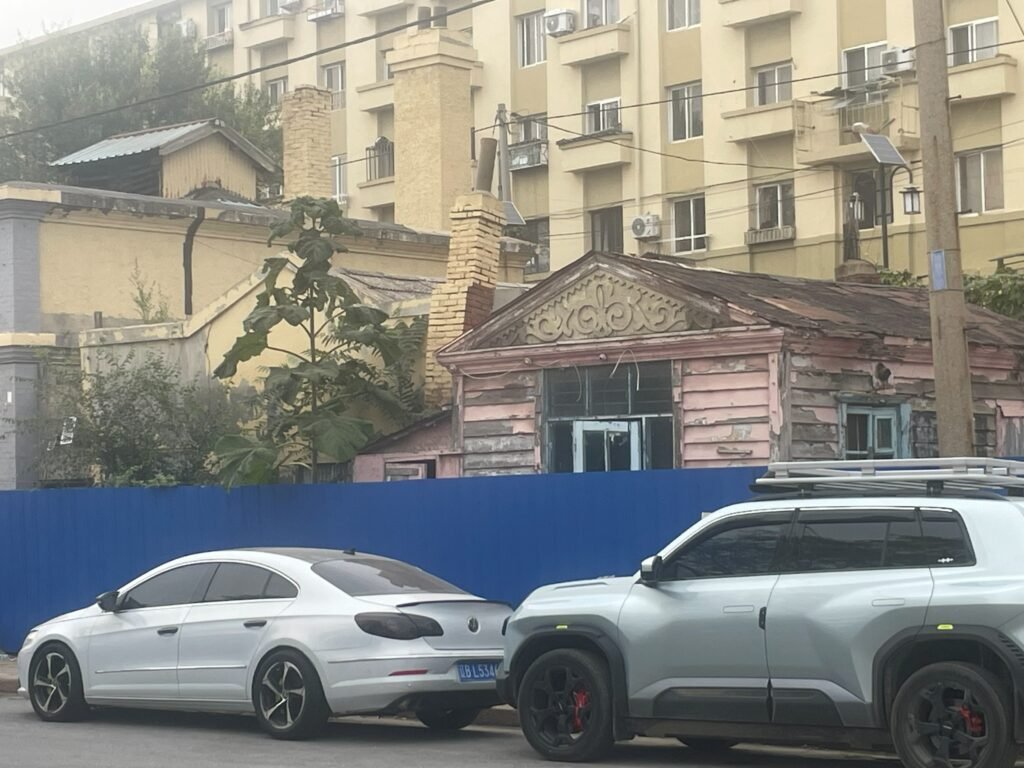
Tianjin was the greatest disappointment. Its former concessions survive largely as scattered architectural remnants, often buried beneath modern development or transformed into artificial tourist attractions.
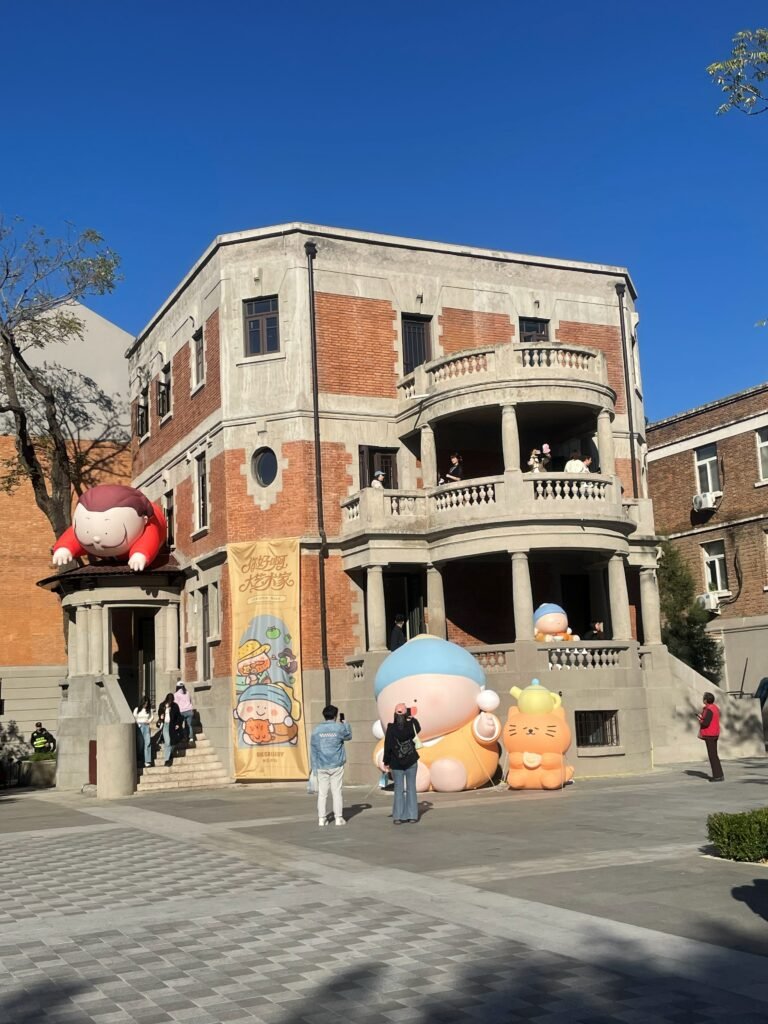
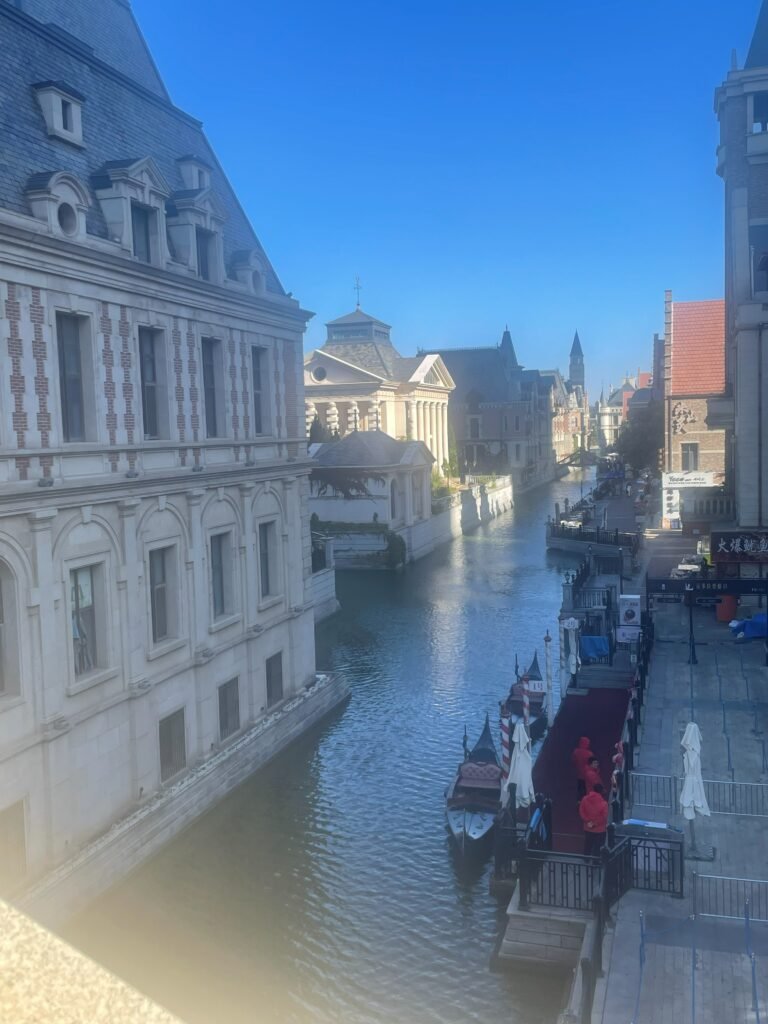
The Italian concession has been given a particularly ridiculous coating of decorative kitsch, with beautiful old villas surrounded by inflatables, fountains and assorted Italian-themed nonsense. At least Dalian’s artificial Venice never pretended to be the real thing.
And the fake Irish pub I encountered there seemed an appropriate symbol of what had become of Tianjin’s old European settlements.
The colony was extinct. What remained was largely scenery.
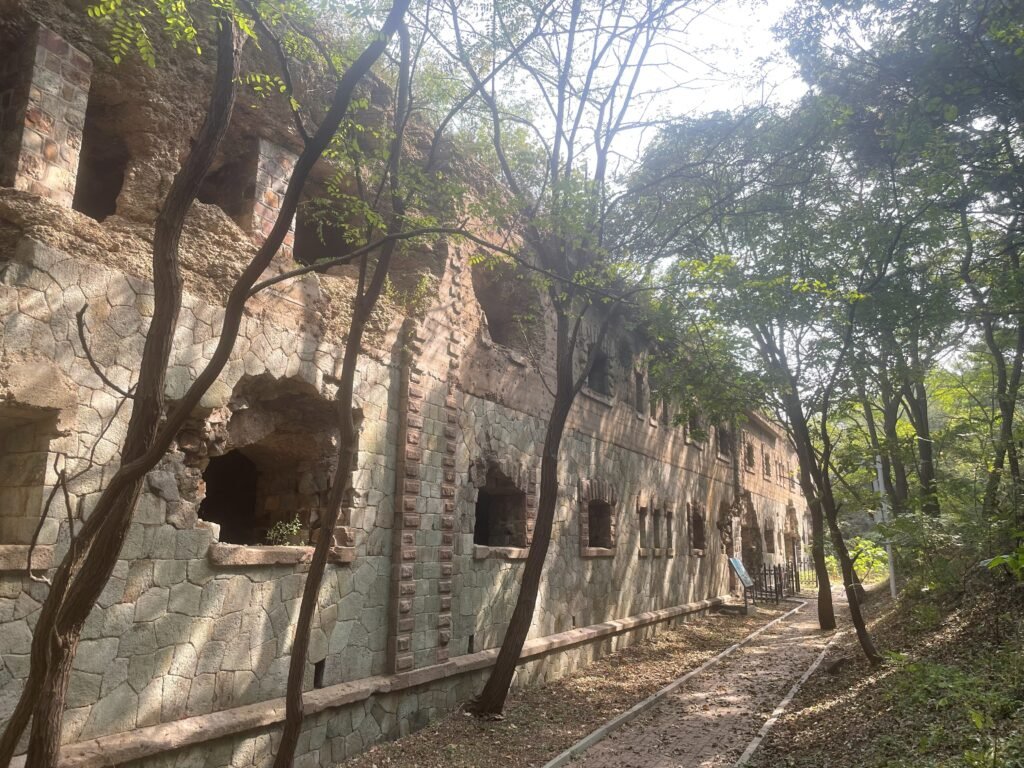
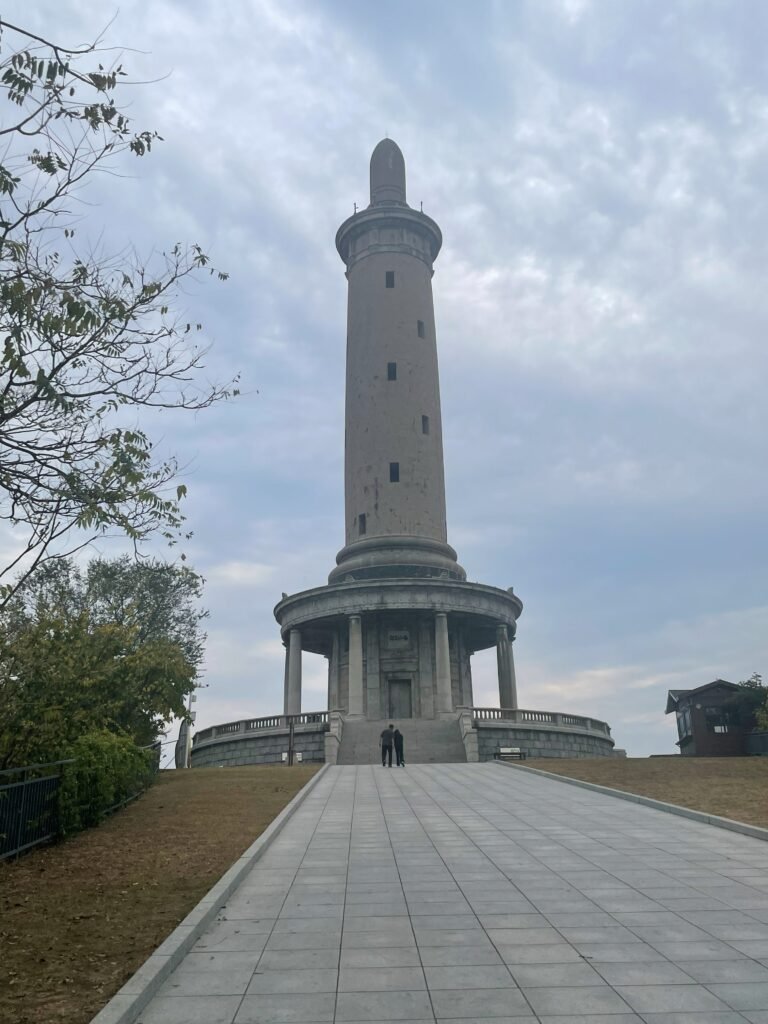
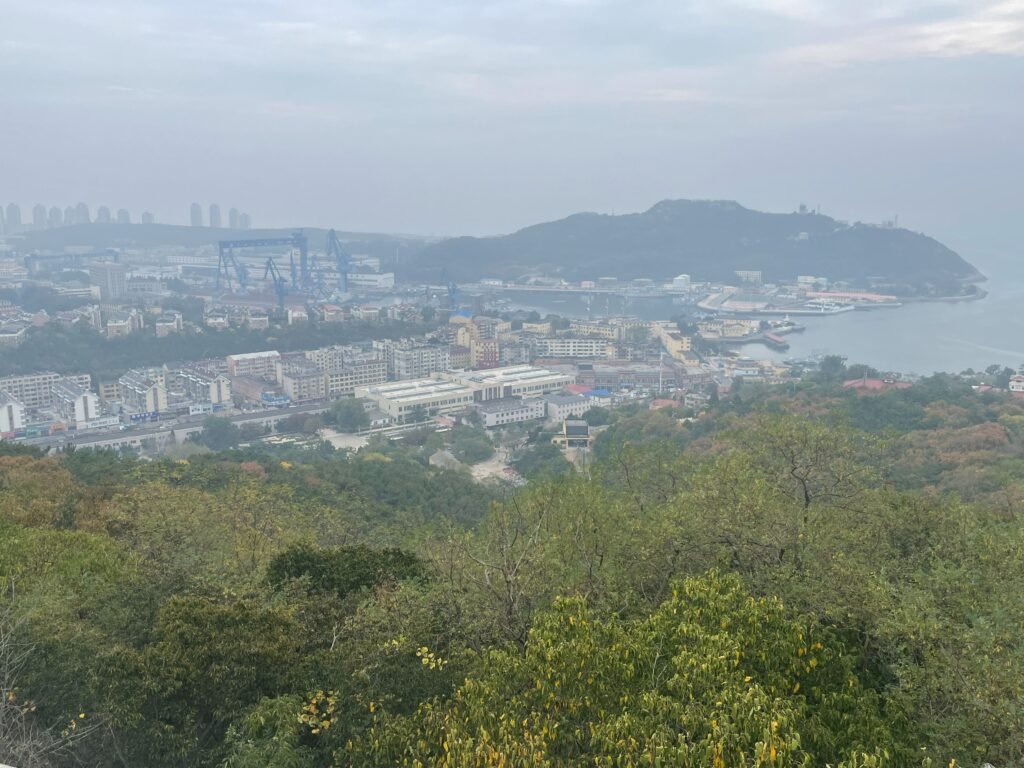
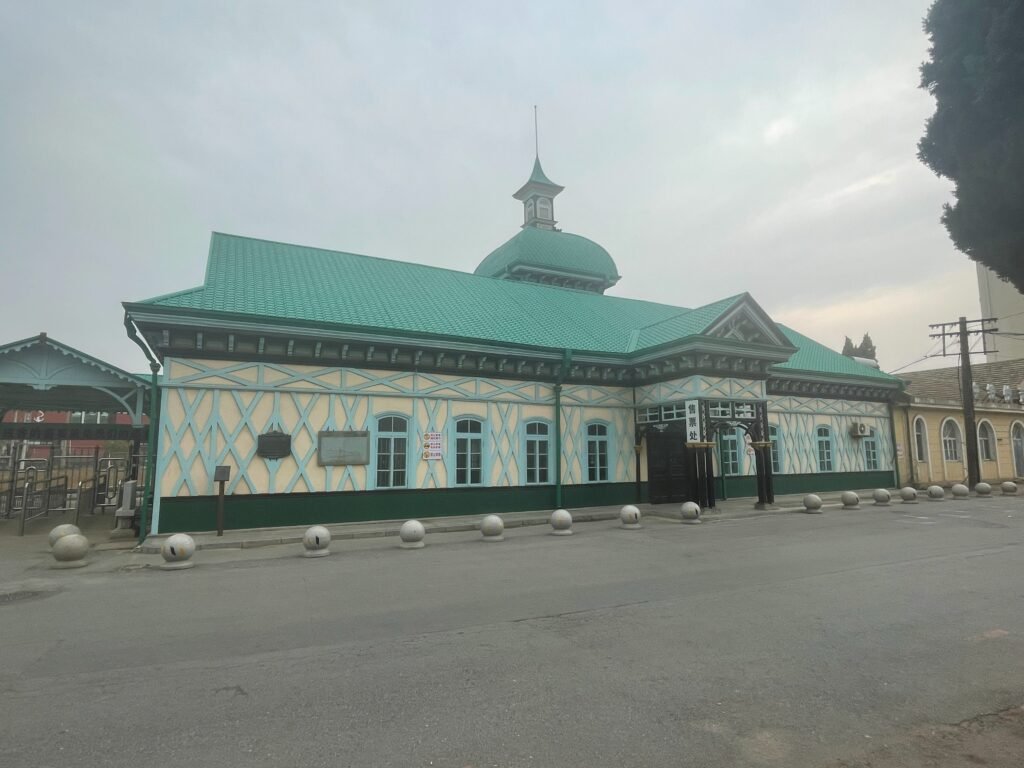
Dalian and Port Arthur offered their own fascinating contrasts. Magnificent Japanese buildings, Russian remnants, extraordinary military history and, in places, some thoroughly depressing attempts to turn serious architectural heritage into theme parks.
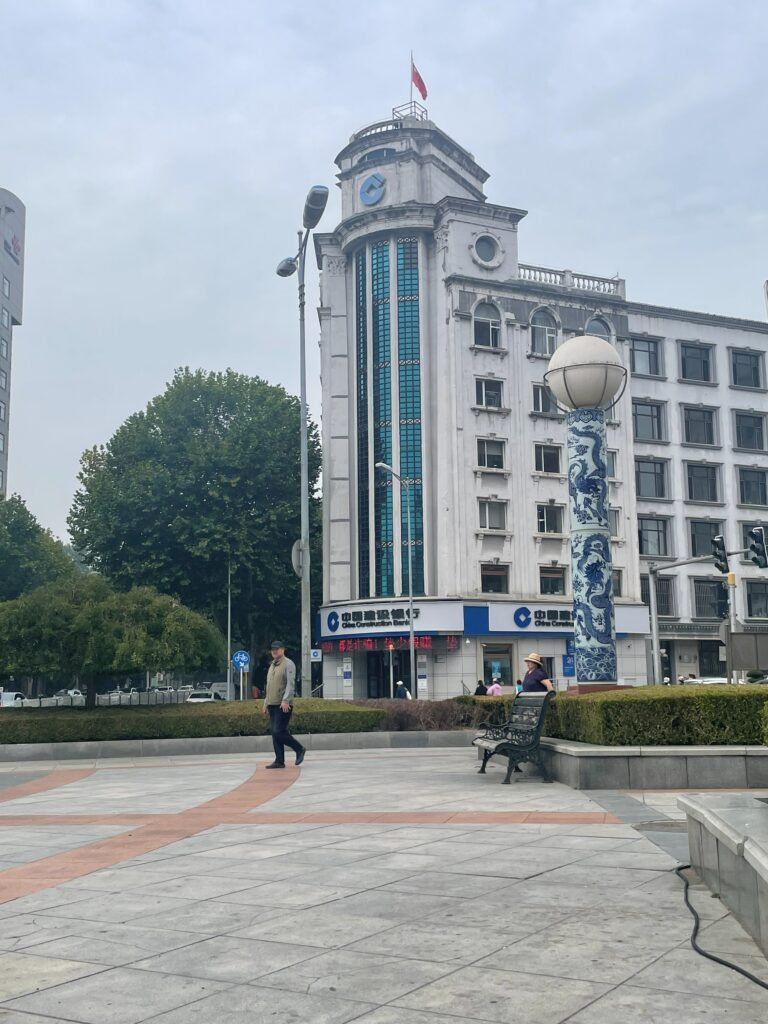
The Japanese Art Deco banks and civic buildings were particularly impressive. These were not temporary structures. They were built with permanence in mind, by people who plainly expected to remain.
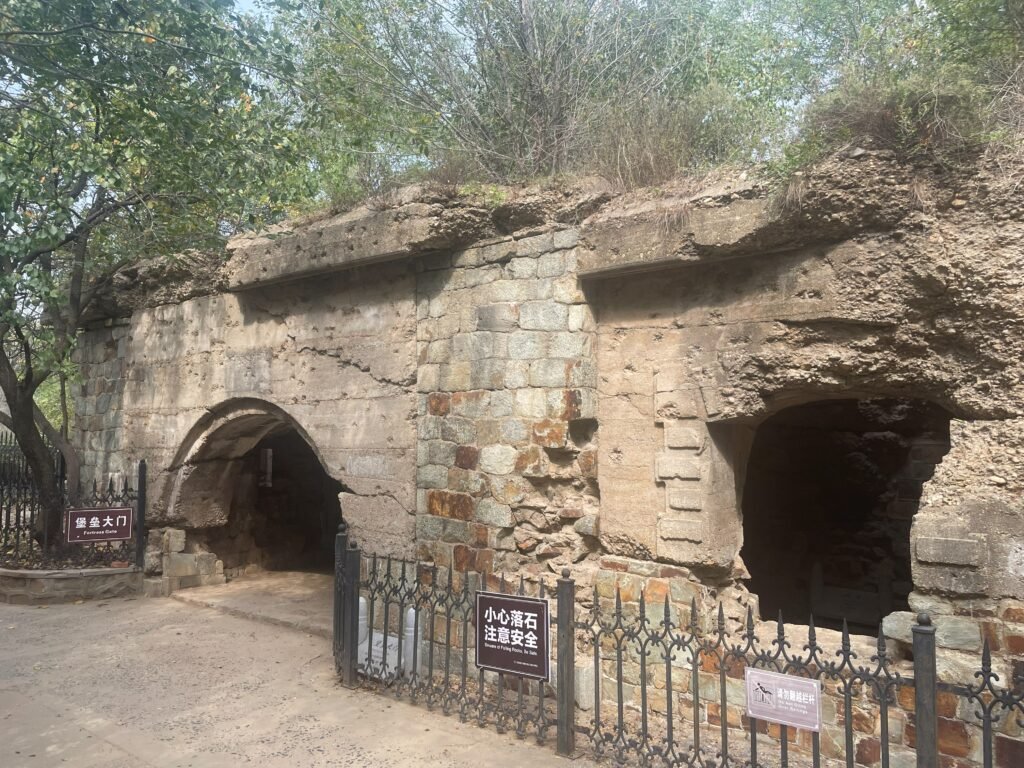
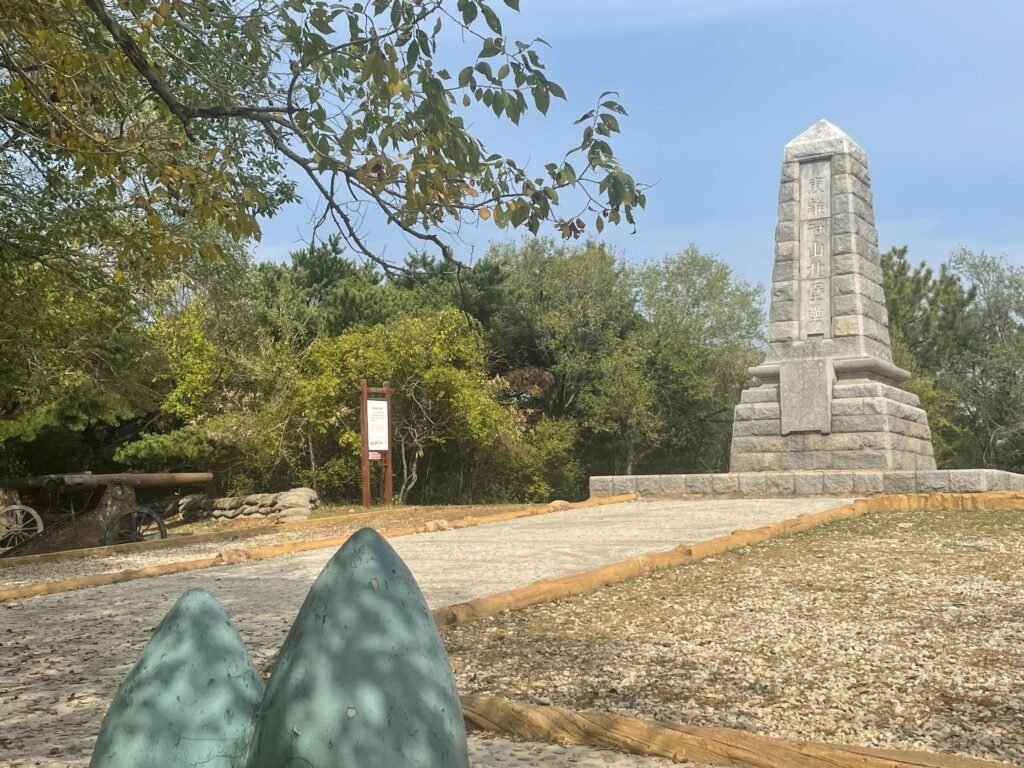
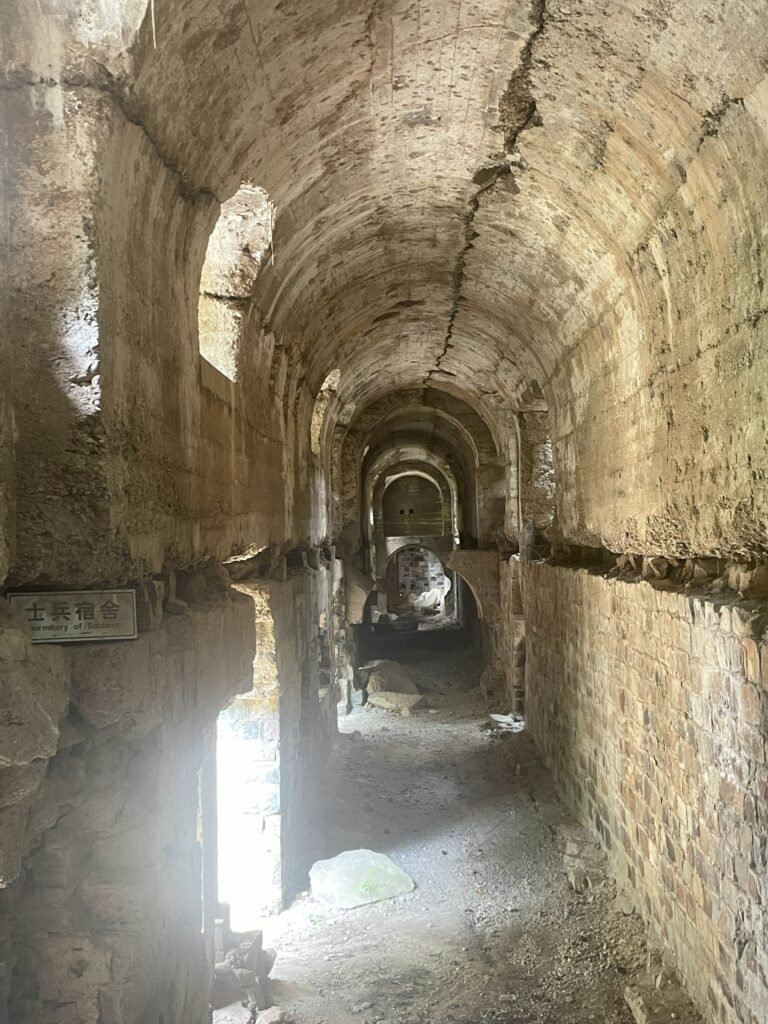
Port Arthur, meanwhile, revealed an altogether darker history of imperial competition, war and military ambition.
Yantai had been another unexpected pleasure. Its old consular buildings, Mediterranean-looking coastline and remarkable wine industry made it one of the genuine surprises of the journey.
There were wonderful discoveries throughout the expedition. There were also disappointments.
But that was precisely why I had come.
I wanted to see what actually remained, not what the tourist brochures claimed was there.
Goodbye China
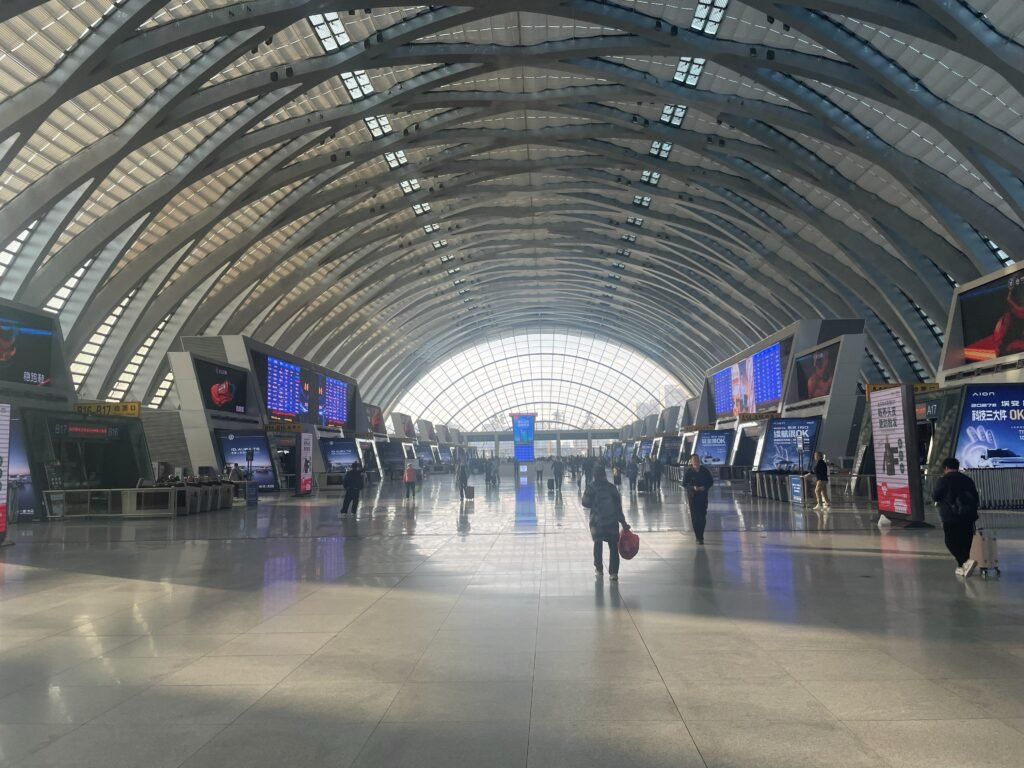
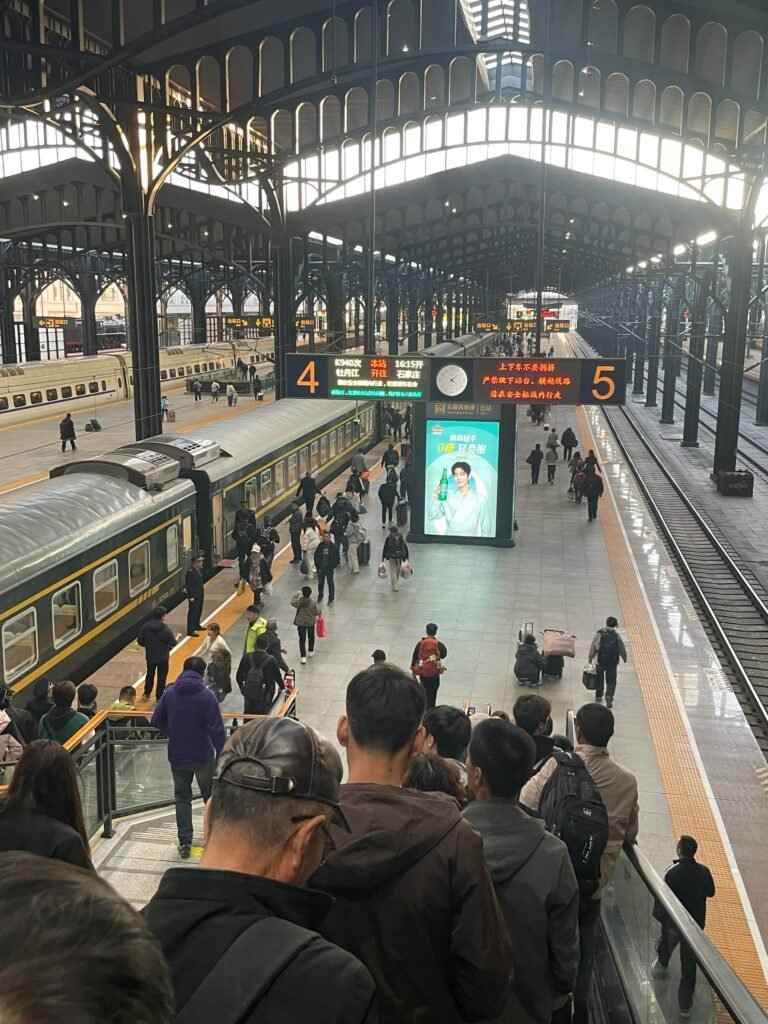
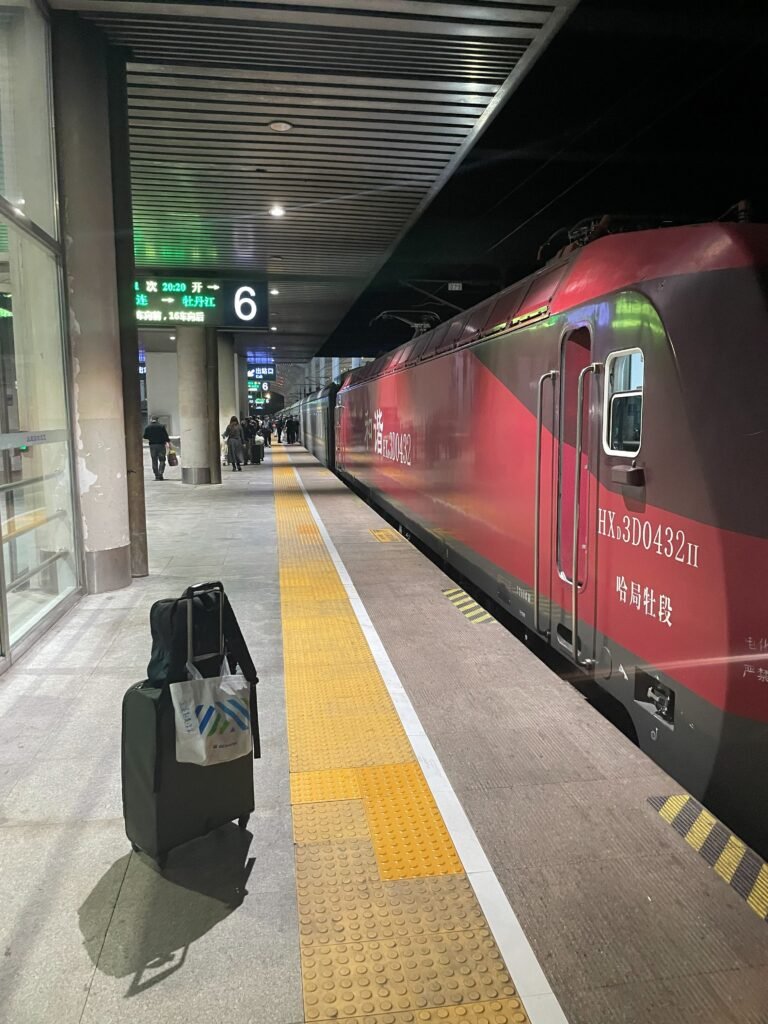
By the time I reached Shanghai’s airport, I had travelled more than 5,000 kilometres by Chinese railway in approximately three weeks.
That is roughly twice the length of the entire railway network of the island of Ireland, north and south combined.
An extraordinary distance, covered largely in comfort, through a country whose railway engineering and organisation repeatedly impressed me.
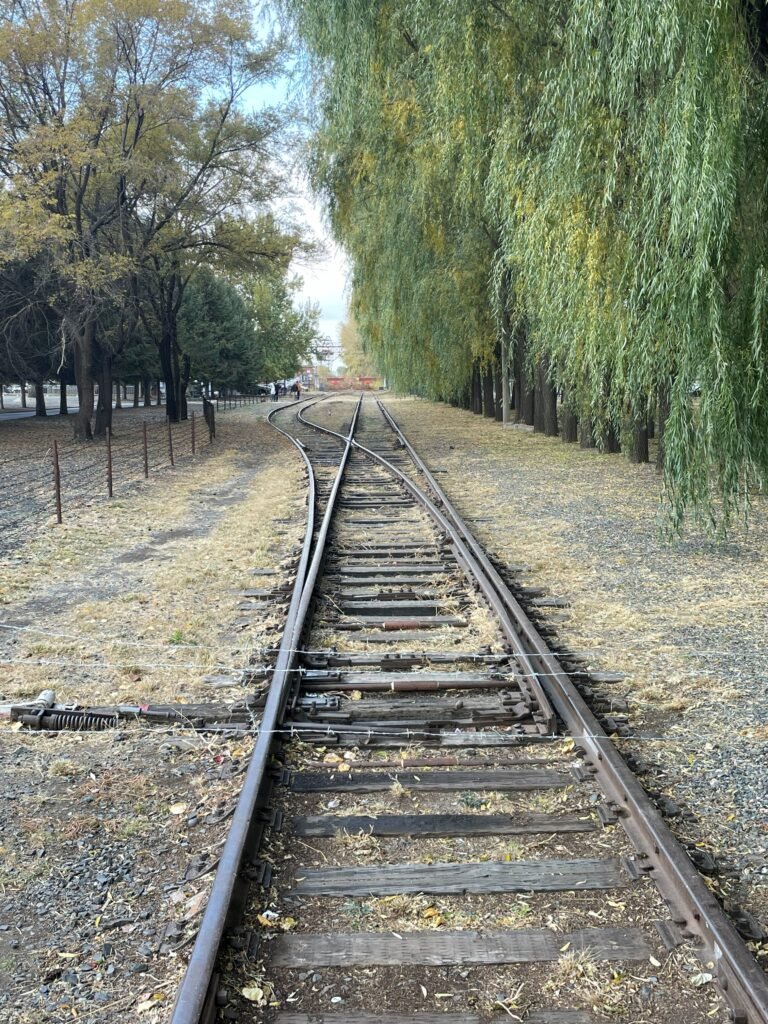
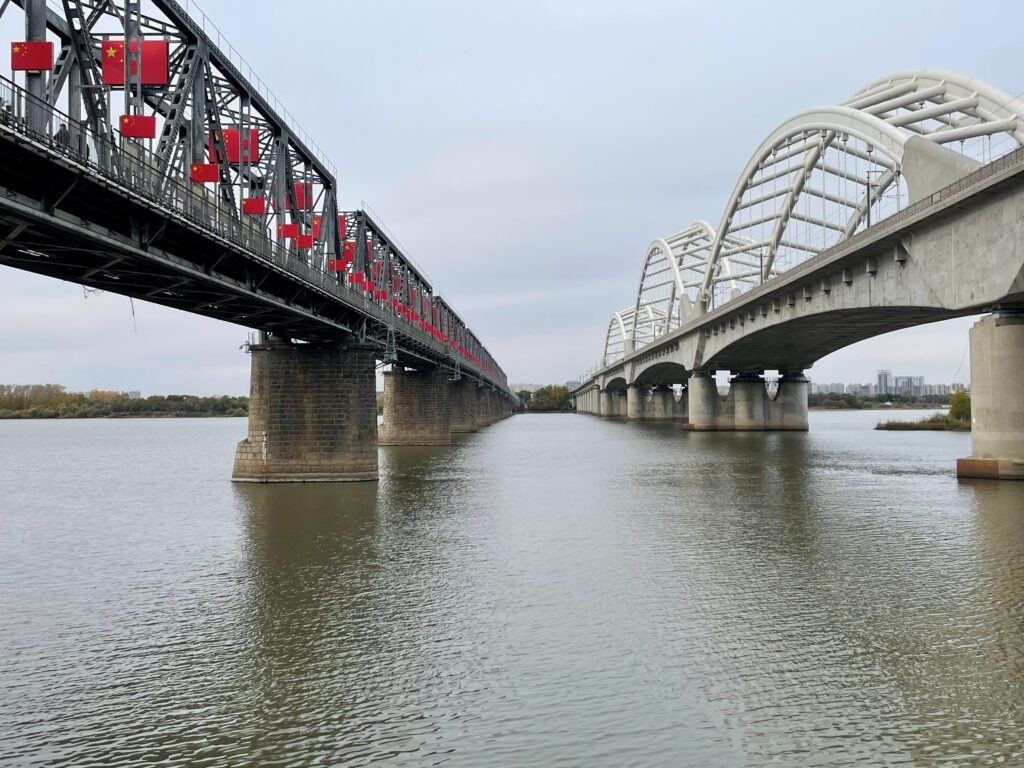
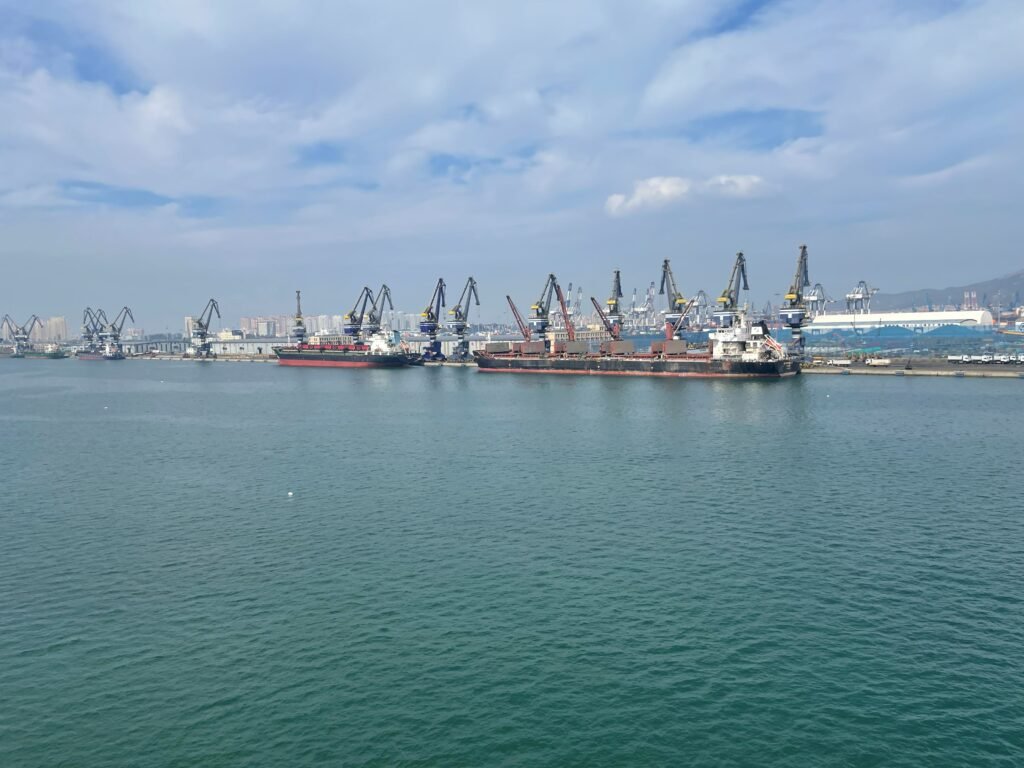
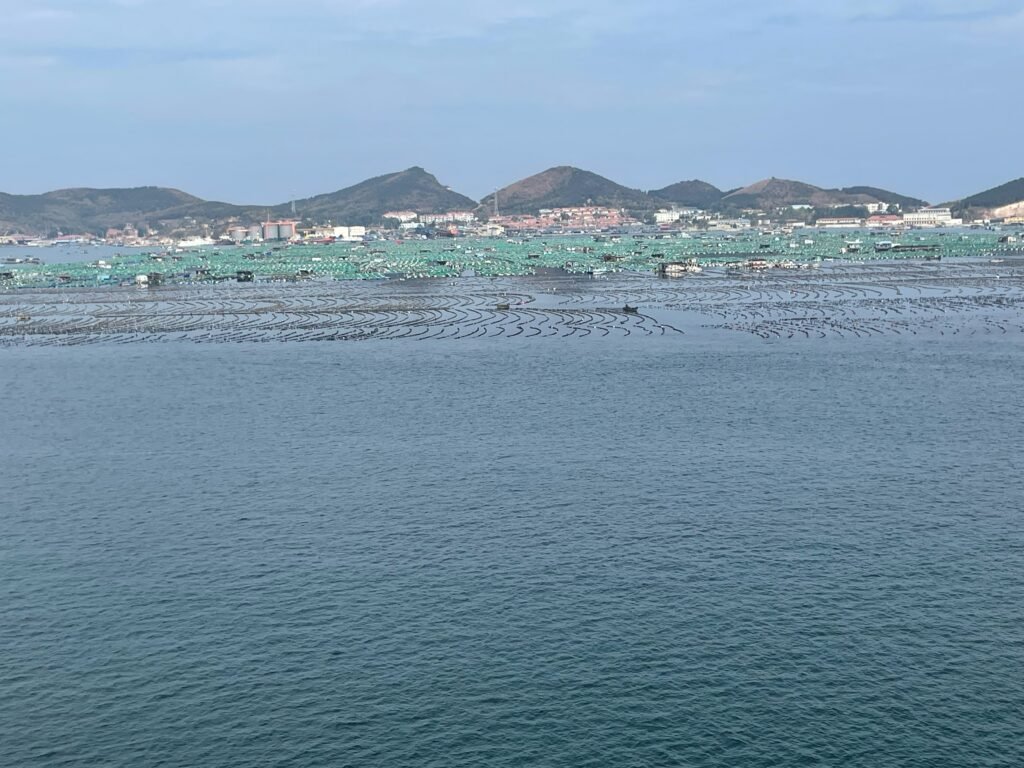
I had seen cities I had wanted to visit for decades. I had walked through the remnants of vanished empires, inspected magnificent buildings, visited old battlefields, travelled through Manchuria, crossed the Bohai Sea by ferry and followed the railway lines that had helped create these colonial settlements in the first place.
Some places exceeded expectations. Others were disappointing. A few were almost unrecognisable from their historical descriptions.
But I had finally seen them for myself.
And it seemed fitting to finish where I had started, in Shanghai.
Four weeks earlier, I had set out to inspect the remains of the British, German, Russian, Japanese and other foreign settlements across China. More than 5,000 kilometres later, I was back where the journey began.
Shanghai had survived better than any of them.
The empires had gone. Much of their architecture remained. And in Shanghai, at least, the commercial world they had helped create was still very much alive.
Goodbye China.