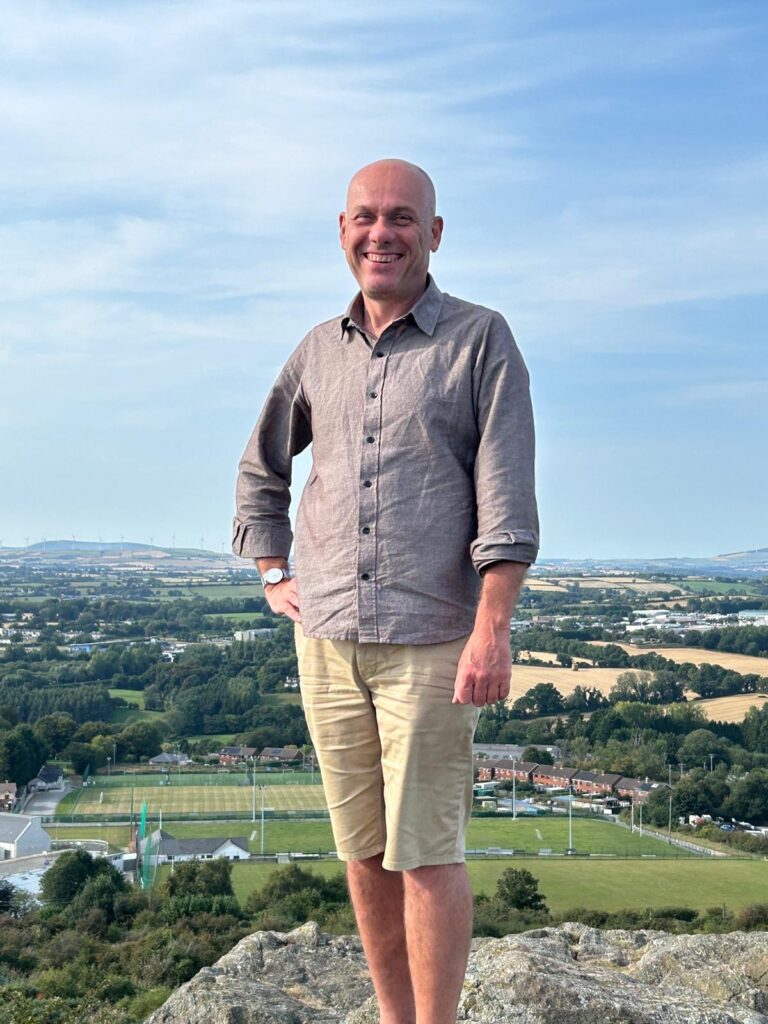
My name is Alan Dunwiddie.
I grew up in Consett, in County Durham — a place shaped by steel, coal, and men who understood duty without needing to talk about it. I came from a tradition of firm families and committed work, where most men went down the mines and expected to come back up again with their word intact and their place in the world secure.
That certainty didn’t survive my childhood.
The miners’ strike was my first clear lesson that the ground could shift beneath even the most loyal lives. Men who had done everything asked of them were suddenly surplus to requirement. Communities built on work and mutual obligation were dismantled not by failure, but by decision. I was young, but I saw enough to understand that the old guarantees no longer held.
It was a quiet awakening — but a permanent one.
I left the North not in anger, but in recognition. Southern England offered something Consett no longer could: movement. I trained in IT, learned new systems, new languages, new ways of working. It wasn’t a rejection of where I came from; it was an adaptation to what the world was becoming.
That instinct — to move when structures harden or hollow out — has stayed with me.
Years later, it carried me to Denmark.
I built a life there. Raised children. Took on responsibility in its unglamorous forms: routine, paperwork, obligation, endurance. I learned what it means to keep going without applause, and how slowly a man can be worn down by systems that confuse process for justice and compliance for virtue.
There were no explosions. Just erosion.
Those years changed me. They would change any man.
When the time came to leave, it wasn’t rebellion. It was recognition again. The same one I’d felt decades earlier. The man I had become could not remain inside the life he had built.
In June 2025, I left Denmark the way ships leave harbours that have silted up — calmly, deliberately, without drama.
Ireland is where I’ve paused for now.
A wind-beaten coast. A small town. Long walks above the tide line. Enough quiet to hear myself think again. I spend time on beaches with a metal detector, turning over modern debris and, occasionally, finding coins dropped by men who lived centuries before me. It’s grounding work. A reminder that governments, industries, and certainties all pass — and that permanence has always been an illusion.
What endures is movement.
I’m not finished moving.
There are parts of the world that still make sense to me — places where steadiness is respected rather than pathologised, where independence isn’t treated as something to be corrected. Africa draws my attention. Parts of Asia too. Warm light, open space, fewer intermediaries between effort and outcome. Places where a man can live without continually explaining himself.
This website isn’t a brand, and it isn’t a conversation. It’s a logbook.
A place to record what a life looks like when it adapts, rebuilds, and continues — quietly, deliberately, without applause. It honours the miles already walked, but it faces forward.
If there is a single thread running through my life, it is this:
A man survives by knowing
when to stay,
when to leave,
and when to step into the unknown with nothing but his own judgement.
I’m still travelling.
Still paying attention.
Still open to the next shore.
And I trust that I’ll recognise it when I arrive.