A record of storms survived and horizons still calling

Category: General

General thoughts on anything

On Metal Detecting

Metal detecting entered my life quietly, but it stayed because it spoke to something fundamental.

It connects me to history in two ways at once — the literal and the metaphorical.
Actual objects, buried and forgotten.
And actual meaning, hidden beneath surfaces most people never question.

I walk ground that thousands of others have crossed without pause. Beaches, fields, edges of towns. Ordinary places, endlessly repeated. Most people see nothing there. They’re looking ahead, not down. They assume value is visible, signposted, approved.

I don’t.

I slow down. I listen. I trust signals that don’t shout.

Sometimes the ground gives nothing. That’s part of the discipline.
Metal detecting punishes expectation and rewards patience. You cannot force it. You cannot negotiate with it. There is no entitlement.

Then occasionally, the earth offers something precise:
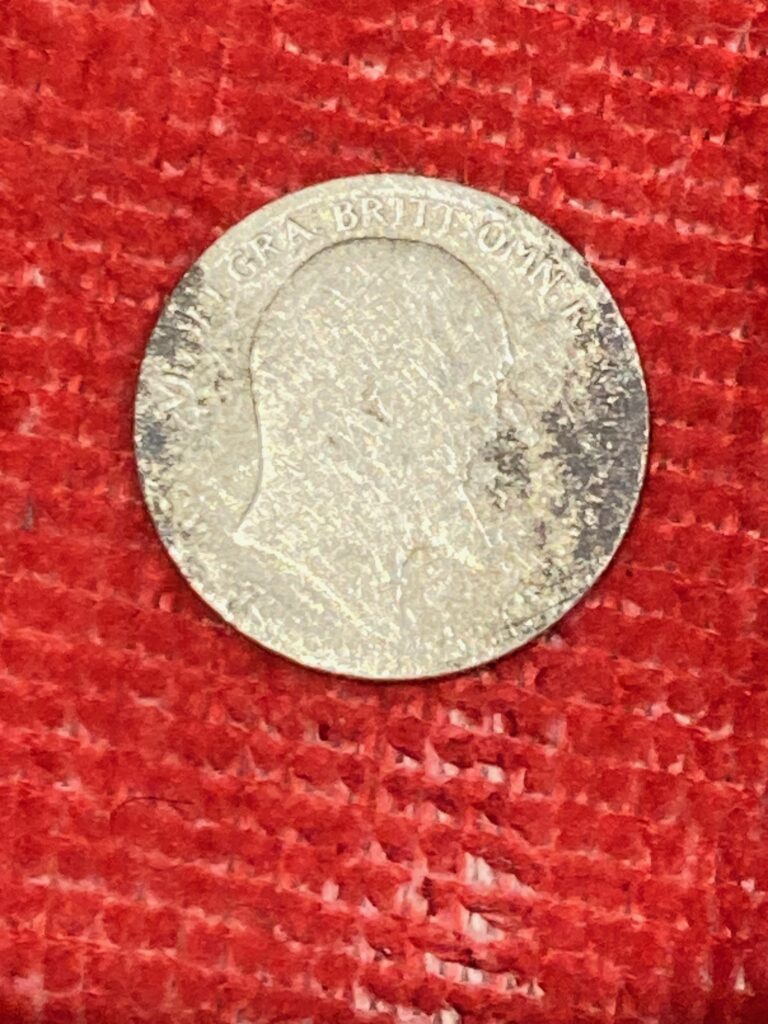
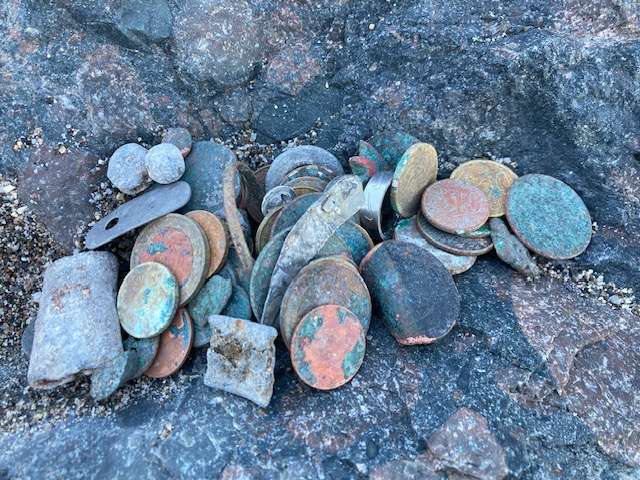
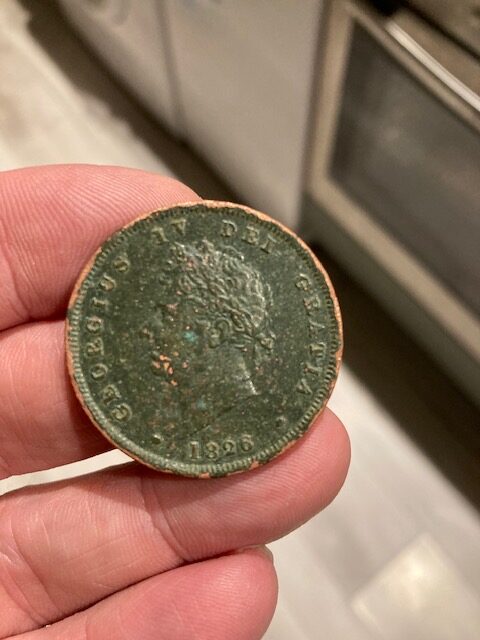
a coin worn smooth by hands long gone,
a button, a clasp, a fragment of a life that once mattered intensely to someone.

When you hold it, history stops being abstract.

It has weight.
Texture.
Temperature.

You realise that the past wasn’t an idea — it was people moving through days, making choices, losing things, loving things, surviving systems that no longer exist.

That matters to me.


Actual Gold, Metaphorical Gold

Sometimes you find actual value — silver, old coins, things that once had economic meaning and still do. That’s satisfying, but it’s not the real reward.

The real gold is what the process trains you to notice.

Metal detecting teaches that:

  • value is often buried, not advertised
  • the obvious path is rarely the richest
  • patience compounds in non-linear ways
  • most people walk over opportunity every day

That applies to land, to history, to investment — and to life.

I’ve connected with metaphorical gold the same way I’ve occasionally found actual gold:
by ignoring noise, trusting instinct, and accepting long stretches of nothing without complaint.

That’s not optimism.
It’s realism.


Solitude Without Isolation

Metal detecting is solitary, but it is not lonely.

I didn’t realise this at first, but you are observed.

People watch quietly as you work. Some are curious. Some are respectful. Some simply want to understand what you’re doing. And quite often, they engage.

Strangers ask questions.
Conversations begin — unforced, unguarded, meaningful.

There is something disarming about a person absorbed in a task that isn’t performative. It invites genuine interaction. No status. No agenda. Just interest.

Metal detecting reminds me that solitude doesn’t sever connection.
It refines it.

Even when you’re alone, good people remain present in the world. They notice. They speak. They engage with curiosity rather than extraction.

That’s reassuring.

It’s physical without being competitive.
Focused without being anxious.
Purposeful without being productive in the modern sense.

There is no audience.
No performance.
No outcome demanded.

Just movement, attention, and response.

In a world obsessed with validation, that’s a relief.


The Keys

One of the things I find most often are house keys.

Not coins.
Not jewellery.
Keys.

They turn up in the sand after storms, half-buried, corroded, sometimes still on a ring. Ordinary objects, easy to overlook — but they always stop me for a moment.

Because every key marks a precise instant of panic.

Somewhere, long ago, someone finished a relaxed day at the beach. Sun, salt, ease. The sort of day where time loosens its grip. Then the moment comes — hands go to pockets, or a bag is opened — and the weight is wrong.

Keys gone.

What follows is easy to imagine:
the sudden tightening in the chest,
the frantic retracing of steps,
the dawning realisation that the door home will not open.

That quiet domestic crisis is now all that remains of the day. The laughter, the warmth, the pleasure — gone. The key is what survives.

I hold them sometimes and think about how small the moment was, and how large it must have felt at the time.

That appeals to me more than gold.

Because keys aren’t symbols of wealth — they’re symbols of access, shelter, belonging. They open doors that mattered to someone, once.

Now they belong to the ground.

Metal detecting teaches you that history isn’t only made of grand events. It’s made of dropped things, small mistakes, moments of distraction, lives briefly intersecting with chance.

Empires fall.
Houses change hands.
Keys rust.

And yet the story remains intact enough to be felt.


Why It Fits This Life

Metal detecting suits the life I’m building now because it aligns with everything else:

Sovereignty — no institution grants permission to listen to the ground.
History — not curated, not moralised, just encountered.
Health — walking, air, rhythm, patience.
Clarity — long hours strip thought down to what actually matters.

It also keeps ambition honest.

When you spend time with artefacts from collapsed empires and forgotten lives, you stop believing in permanence as a given. You build more carefully. You choose what’s worth carrying forward.


The Ground Remembers

The ground remembers far more than we do.

It keeps what was dropped, lost, hidden, or discarded — without judgement.
It offers it back occasionally, without promise.

I like that.

Metal detecting reminds me that history isn’t finished, value isn’t always visible, and progress isn’t always forward-facing.

Sometimes the most meaningful work is done with your eyes down, your pace slow, and your expectations restrained.

That’s not nostalgia.

That’s discipline.

The Man Who Spoke and Asked for Nothing

The Man Who Spoke and Asked for Nothing

I have met him three times this year.

Once in Morocco, once in Ireland, and now again in Malaysia.

Different faces. Different languages. Different climates.

But the same man.

He speaks.

And then he leaves.

And he asks for nothing.

In Morocco he came to me without ceremony. No smile meant to sell. No story rehearsed for tourists. He said a few sentences—about the place, about the way things used to be—and then he was gone. No request. No lingering. No expectation that I would remember him.

But I did.

At the time, I didn’t understand why. I only knew that something in me had gone quiet afterwards, the way the sea does after a boat passes.

Ireland was different.

Ireland is my old world, not my exotic one. The fields are familiar. The air carries memory. When the man appeared there, it surprised me more. He spoke as if I already belonged, even though I felt between lives at the time. He said something ordinary—almost nothing at all—but it landed with weight.

He did not ask who I was.

He did not ask what I did.

He did not offer advice.

He simply acknowledged my presence, and then walked on.

That, too, stayed with me.

Malaysia was the third time.

By then I was no longer searching. I was moving slowly. Watching. Letting days be days. And that is when he appeared again. A few words. Calm eyes. No curiosity about my plans. No attempt to extract anything—money, story, validation.

He spoke because speaking was right.

And then he left because staying was unnecessary.

These men do not exist in the modern West, or if they do, they are buried beneath noise.

In the West, conversation is a transaction. Men speak to gain ground, establish position, sell something, or defend themselves. Silence is suspicious. Time is monetised. Presence is rare.

But in certain places—what I can only call intact cultures—there are still men who have nothing to prove.

They are not mentors.

They are not guides.

They are not mystical sages.

They are witnesses.

They appear when a man is alone but not lonely. When he is not extracting from the world. When he is walking without performance. They do not come to everyone. They cannot be summoned. They cannot be chased.

And if you try to turn them into a story too quickly, they disappear.

Odysseus met many men on his journey. Kings who demanded allegiance. Hosts who offered shelter at a price. Monsters who tested his strength. But there were also quiet figures along the way—men who pointed once, spoke briefly, and asked nothing in return.

Those were the moments that told him he was still on the right path.

Not home yet.

But not lost.

I don’t tell everyone about these encounters. I didn’t tell my inner circle this time. Some things lose their truth when spoken aloud too often. What is given freely should be carried quietly.

I don’t believe this is destiny.

I don’t believe it makes me special.

I believe it means something simpler, and harder to earn:

For brief moments this year, in Morocco, in Ireland, and now in Malaysia, I was walking correctly.

And that is enough.

I keep going.

Kellie’s Castle and the Men Who Stay Too Long

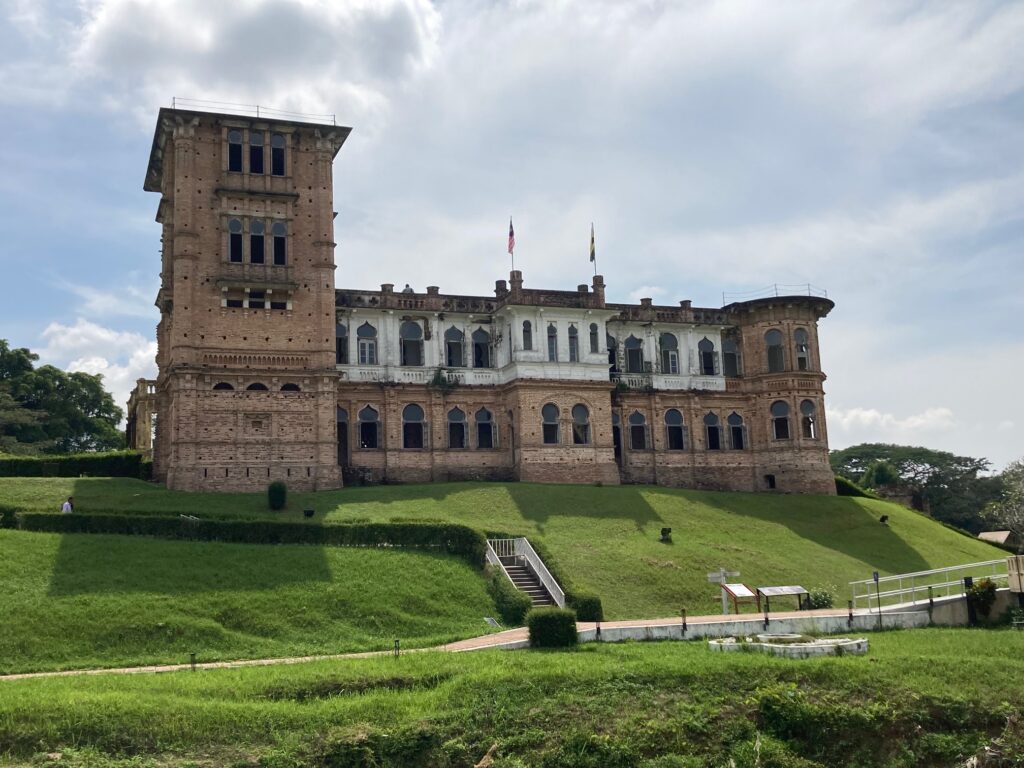
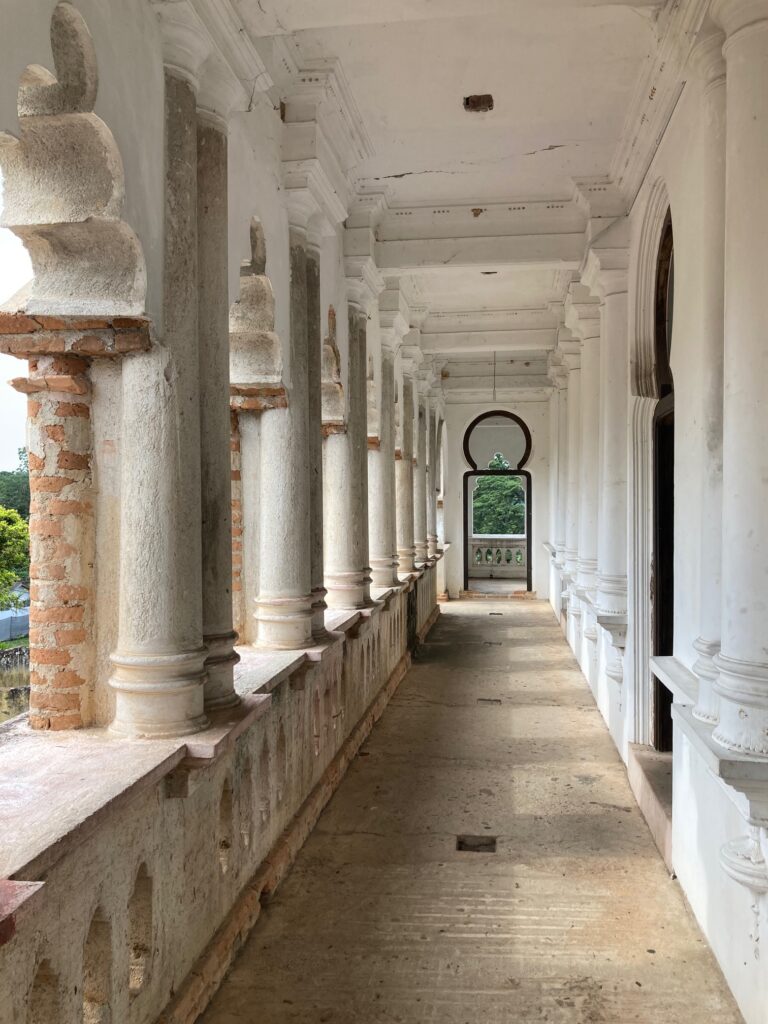
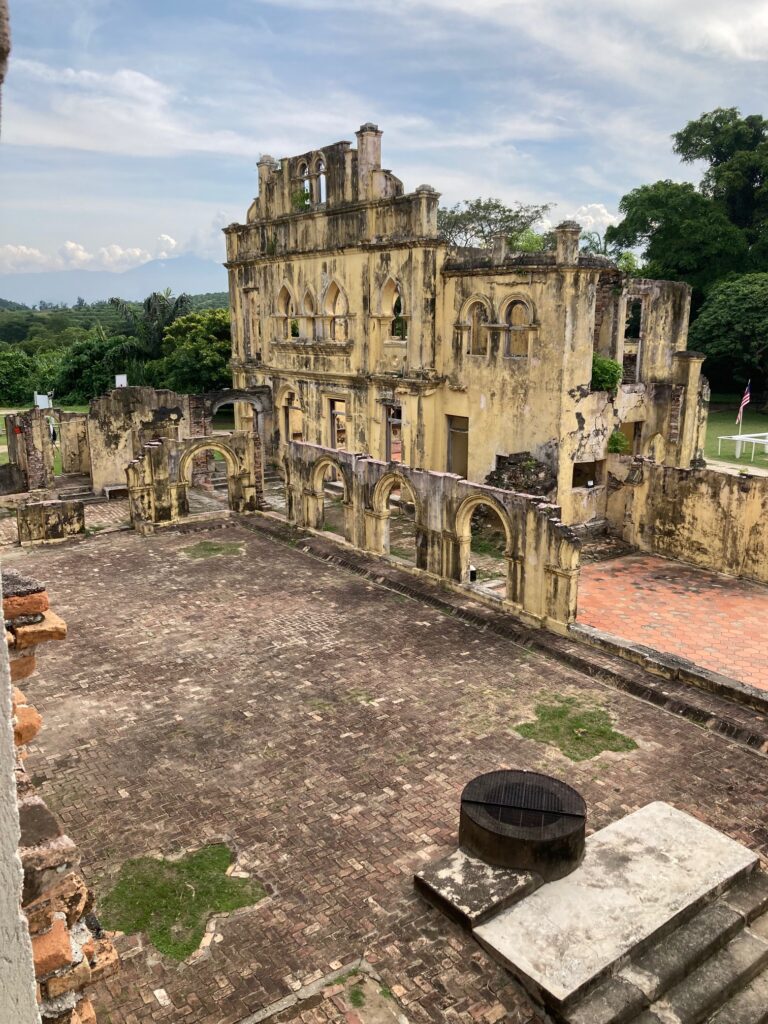
I had waited to see this place for thirty-five years. Michael Palin’s railway journeys put me onto it long ago, but nothing prepared me for the feeling of standing in the shell of another man’s unfinished ambitions.

Kellie built this hill like a man laying out his immortality brick by brick. He wanted a palace, a monument, a statement carved into the heat and stone of Malaya. And yet, here it stands — empty, echoing, beautiful, and broken. A place half-born and never lived in.

You walk these corridors and you wonder:

Was there ever a better monument to how fleeting success and happiness really are?

How quickly a legacy can rot or die?

How quietly a story can end without anyone truly noticing?

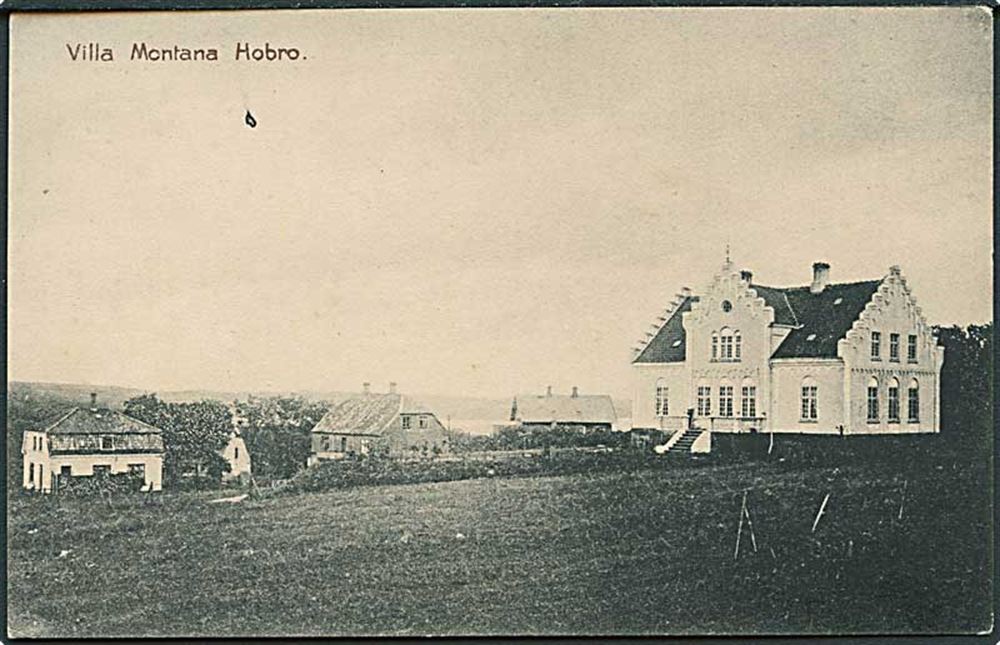
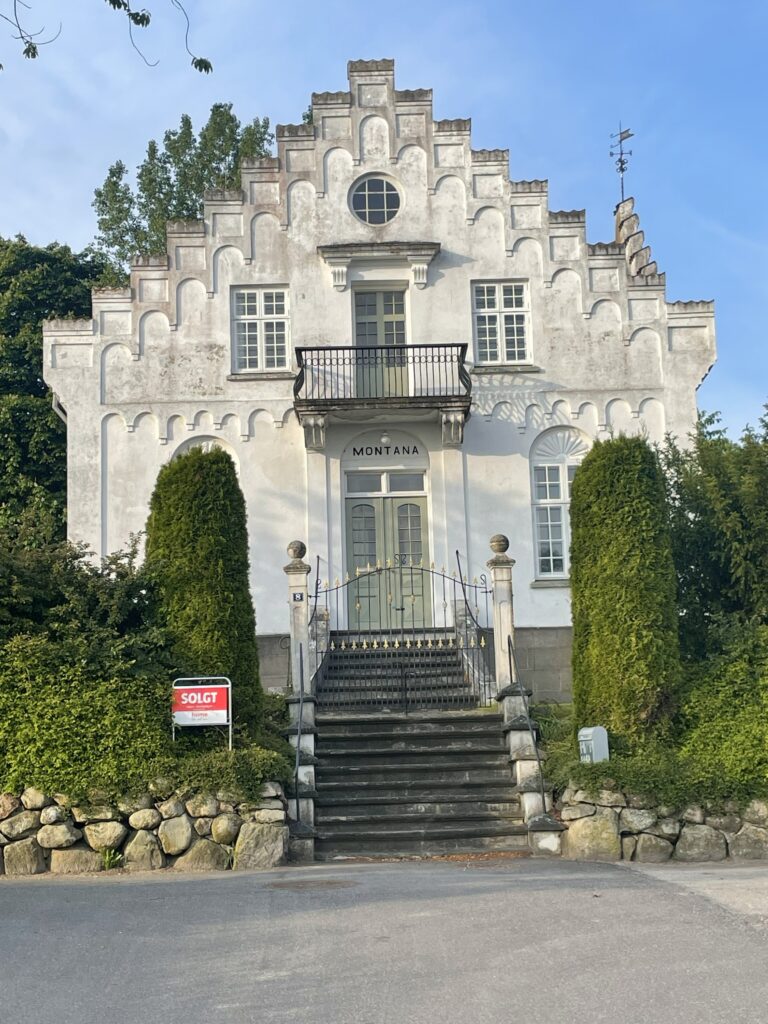
Today, standing in the abandoned rooms, I thought of Montana — my own project, my own obligation, the weight I carried for years. I held onto that house until it was time to let it go, and when the moment came, I walked away. I exited my castle long before it had the chance to imprison me.

Kellie never had that luxury. He died in Portugal at fifty-six, still fighting bureaucrats and labour shortages, still believing he had more time. They say his ghost walks the upper corridor here. Not in anger — in yearning. A man trapped in the dream he never escaped.

There’s a curse whispered locally:

Any man who binds his identity to his creation will lose both.

Kellie’s story follows that script with frightening precision — a child lost, a labour force wiped out by influenza, a dream stalled by red tape, and finally, a sudden death. The castle became a tomb for his intentions.

I realised as I walked through the wine cellar — the one he planned to air-condition, the first in Malaya — that I am only two years younger than he was when he died. That hit harder than I expected. It forced a question I’ve avoided for most of my life:

What dream of mine is unfinished, and will I have the courage to leave it behind when the time comes?

The truth is this: legacy is fragile, memory is temporary, and the world is ruthless with sentiment. Even Ipoh reminded me of that this week — the colonial cemeteries bulldozed, the graves poured over with fresh concrete. Whole lives, whole sorrows, erased in an afternoon.

Maybe that’s why this castle struck me.

Maybe this is the lesson:

Do not stay too long.

Do not cling to the past.

Do not become a ghost in a house you once loved.

Kellie tried to build permanence.

I am learning to build only momentum.

And perhaps that is the real inheritance of these ruins — the quiet instruction to walk forward, lightly, before the walls close in.

Goodbye, Montana

There are houses you live in, and there are houses that live in you.
Montana was the second kind.

I didn’t choose it casually.
I felt it the very first time I saw it — the weight of its old bones, the quiet pride in its Edwardian-era lines, the way it waited without demanding anything. It was a house built for seasons and storms, the kind that stands while everything around it changes. A man can come to love a place like that.

And I did.

I loved the wide rooms and the light that moved across the house as the day progressed.
I loved the heavy doors that closed with certainty, the high ceilings that held silence like a cathedral.
I loved the garden in early summer, quiet, private and still, the leaves emerging on the huge old copper beech.
I loved how the house watched over everyone inside it, even when no one noticed.

But Montana was also the place where the old life gathered around me.
A museum of years I outgrew.
A stage where I carried weight meant for three men, not one.
A place that held memories I had long outlasted.

For all its beauty, it became a harbour I could no longer stay anchored in.

Every house has its truth.
Montana’s truth was simple:
I was no longer the man to fit what I had built inside its walls.

There comes a point in a man’s life when he realises he cannot rebuild himself in the same place he was broken. Montana was filled with ghosts that never left — not tragic ghosts, just the kind created by routine, obligation, and the quiet dying of years you can’t get back.

I learned many things inside that house.
How to endure.
How to protect.
How to keep going when the foundation cracks.
How to hold a life together when everything else fell apart.

But I also learned the hardest lesson:
A man cannot stay where he is slowly disappearing.

So I left.
Not because I stopped loving it,
but because I finally understood that Montana belonged to a chapter of my life that had to end before I could begin the next one.

The day I walked through its rooms for the last time, the house felt lighter — as if it, too, knew the story was finished. The echoes were softer. The air felt still. There was no anger, no grief, just a quiet acknowledgment between a man and the place that sheltered him:

“It’s time.”

Montana will go on without me.
Houses do.
They take new families, new laughs, new storms, new light.
They outlive all of us.

But a part of me will always stand in the hallway, hand on the mahogany banister, knowing I was shaped there — hardened, humbled, and finally pushed out into the world to reclaim the man I should have been all along.

Some places you leave to save your future.
Montana was one of them.

This is my goodbye —
not in sorrow,
but in gratitude for a house that carried me long after it should have.

And now the road ahead is open,
the horizon wider,
the past sealed gently behind a closing door.

© 2026 The Dunwiddie Post

Theme by Anders NorénUp ↑