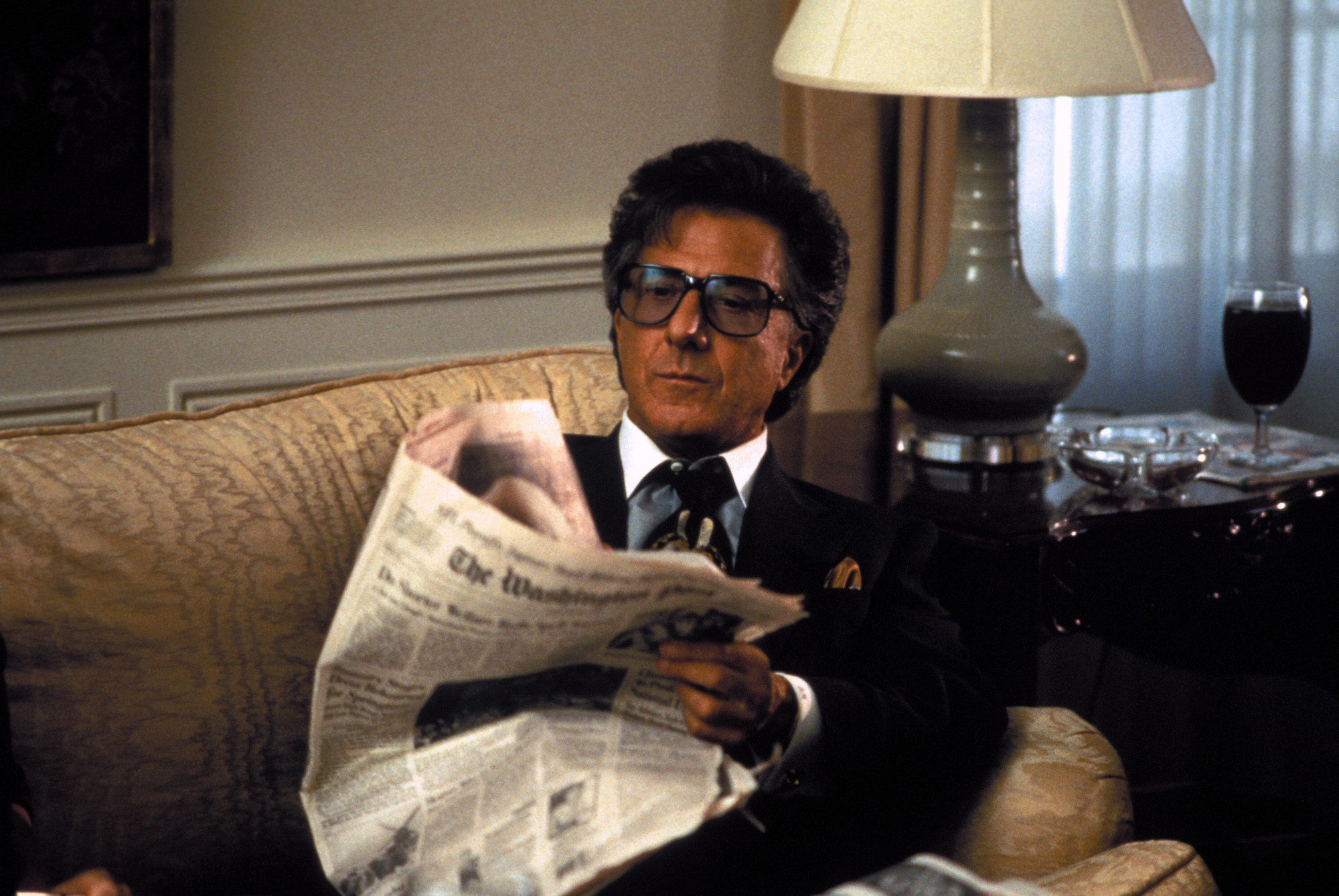

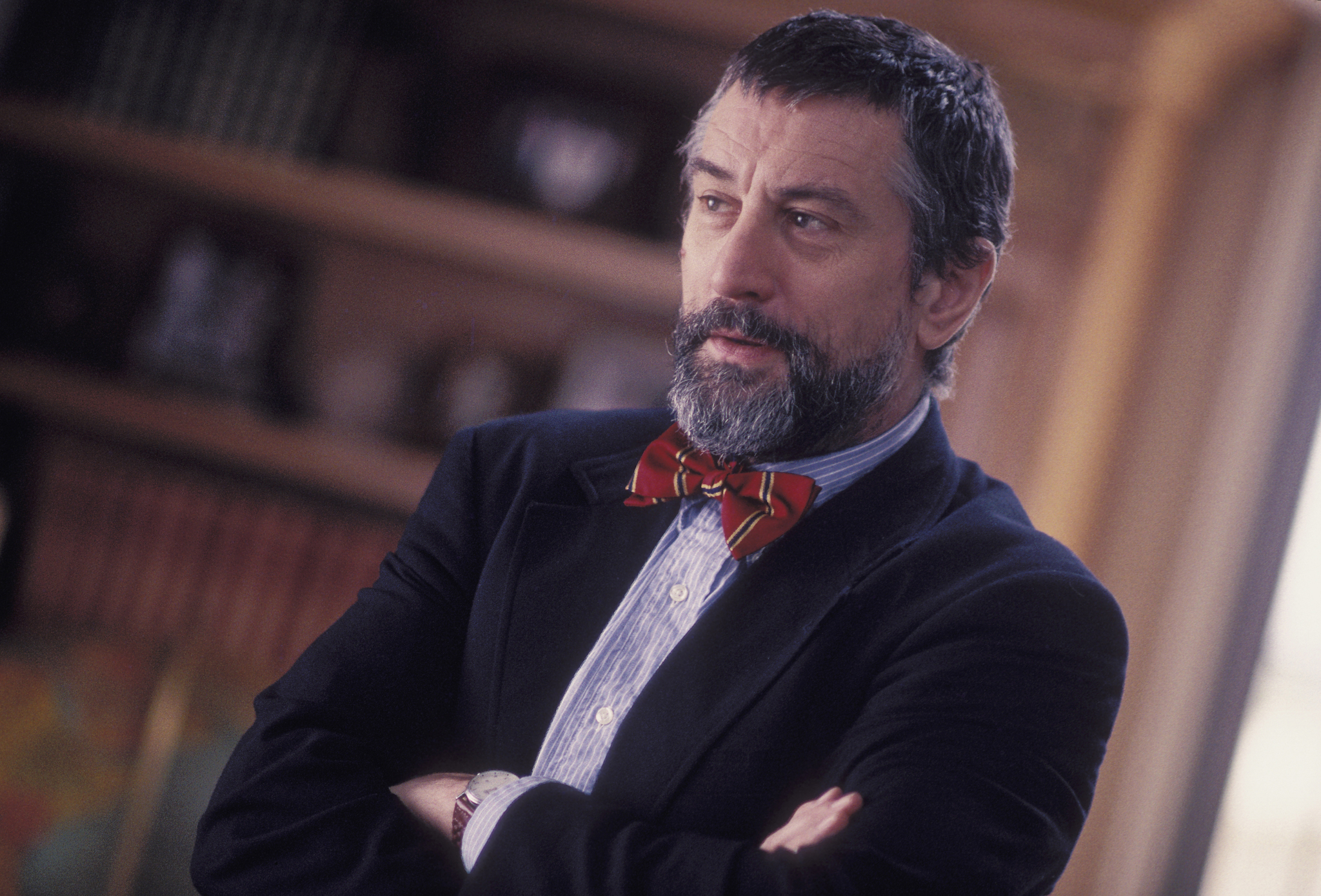
I watched Wag the Dog in 1998.
It was released in 1997, directed by Barry Levinson and starring Robert De Niro and Dustin Hoffman, but I encountered it a year later — and it stayed with me far longer than most films do.
At the time, I thought it was clever.
Later, I realised it was instructional.
What the Film Actually Shows
A president faces a scandal days before an election. The solution is not defence. It is distraction. A war is manufactured — complete with imagery, music, a hero, a narrative arc.
The public sees it on television.
The media amplifies it.
Politicians align behind it.
The war exists because it is broadcast.
What unsettled me wasn’t the satire. It was the mechanics.
The film shows that in modern systems, narrative is not commentary on reality.
It is architecture.
Watching It in the 1990s
When I saw it, the Balkans were not abstract.
The Kosovo War and the NATO bombing of Yugoslavia were unfolding. Iraq was already in a cycle of sanctions and intervention, culminating in Operation Desert Fox.
On screen: a fabricated Balkan conflict used for domestic political containment.
In real life: televised Balkan conflict accompanied by political crisis.
I’m not interested in simplistic causation.
What struck me was structural similarity.
Crisis appears.
Media synchronises.
Emotional imagery floods the screen.
Consensus hardens before analysis completes.
Deniers are denounced.
Once you see that sequence, it becomes difficult to consume headlines innocently again.
Manufactured Symbols
The film’s brilliance is that it doesn’t rely on grand conspiracy.
It shows small things:
- A song engineered to stir patriotism.
- A refugee image staged for emotional impact.
- A slogan crafted for repetition.
- A soldier turned into a moral totem.
Meaning is assembled deliberately.
The public doesn’t require truth. It requires coherence.
That realisation never quite leaves you.
The Ending That Lingers
At the end, Hoffman’s producer wants credit. He hints he may expose the entire operation.
He dies.
Not dramatically. Not theatrically. Just… removed.
The system continues.
The film never lectures about hidden hands. It simply demonstrates incentive structures: when exposure threatens continuity, continuity wins.
That ending always reminded me of how certain figures — political, financial, inconvenient — sometimes exit at remarkably convenient moments.
No outrage here. Just pattern recognition.
Why I Don’t Watch Breaking News
One of the lasting effects of that film is behavioural.
I no longer watch breaking news at all.
I learn about events after the fact, usually through conversation. Stripped of soundtrack, graphics, urgency, and emotive framing, the event feels different. Slower. Cleaner. Less hypnotic.
Breaking news is theatre with a live orchestra.
Remove the orchestra and you can inspect the stagecraft.
Timing and Markets
Another pattern I’ve noticed: how often major geopolitical flashpoints seem to emerge on weekends.
When markets are closed.
When equity exchanges cannot react in real time.
When price discovery is delayed.
When institutions already positioned can adjust quietly before Asia opens.
Does that prove orchestration? No.
But incentives matter.
If information moves markets, then timing information when markets are shut reduces chaotic repricing and limits uncontrolled losses. It also preserves opportunities for those already hedged.
Gold was already moving upward last week. Was that anticipation? Quiet positioning? Or simply macro fragility expressing itself? Markets often signal stress before headlines catch up.
Correlation is not confirmation.
But patterns are data.
Iran This Weekend
When events flare in places like Iran, the script is familiar:
Energy spikes.
Gold bids.
Volatility expands.
Media harmonises tone within hours.
The first 24 hours are emotional.
The first week is positioning.
The first month reveals whether escalation was strategic or theatrical.
I’m not claiming events are fabricated.
I’m observing that events are leveraged.
Narrative velocity now precedes verification. And whoever controls narrative velocity controls perception, which in turn influences capital, policy, and public mood.
That machinery has only become more sophisticated since 1997.
“The real revolution, if it ever happens, will not be televised.”
That line has echoed in my mind for years.
If real structural change ever occurs, it won’t arrive with theme music and sponsored graphics. It won’t be pre-packaged with slogans and expert panels.
It will likely happen quietly, outside the broadcast frame.
Which is perhaps why I stepped outside the frame myself.
Not in protest.
Not in paranoia.
Just in recognition that sovereignty begins with what you choose not to watch.