Tangier had lived in my imagination long before I ever reached it.
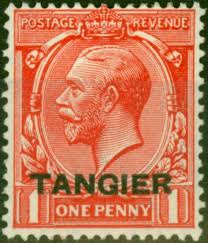
As a boy I used to stare at old British stamps overprinted with a single improbable word: Tangier. Small imperial artefacts from a vanished world. Something about them haunted me. Britain, but not Britain. Europe, but not Europe. A frontier city where the edges of empires touched Africa and then slowly dissolved into dust.
Years later I finally arrived there myself by train from Rabat.
Not into the old city, of course.
Modernity rarely enters through the old gates.
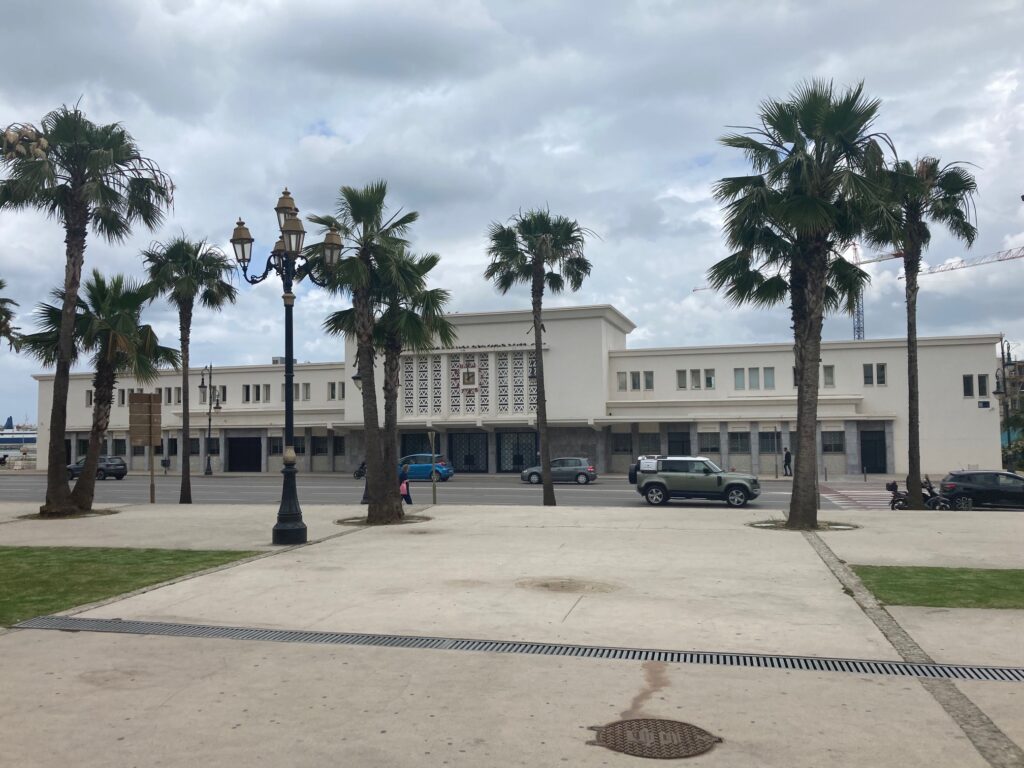
The new station now sits outside the ancient heart of Tangier, functional and detached, while the beautiful old Art Deco station nearer the port survives like a forgotten actor after the audience has gone home. Rail-less now. Disconnected from the line that once carried diplomats, merchants, officers and travellers directly into the old international city. One more elegant relic stranded by time.
Tangier is full of such things.
Ghost structures.
Fragments of abandoned futures.
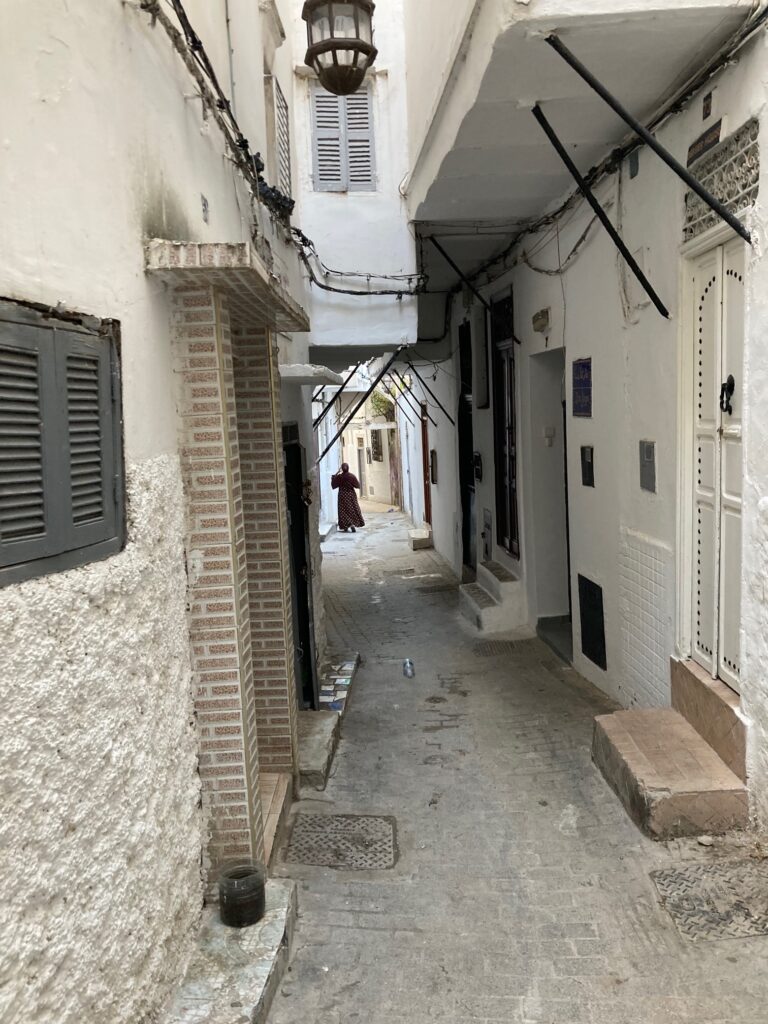
I stayed inside the Medina, where the old Arab city still breathes beneath the noise of modern Morocco. White walls reflecting afternoon light. Narrow passages winding endlessly downhill towards the sea. The call to prayer floating over rooftops as gulls circled above the Strait.
There are cities which feel built for commerce.
Tangier feels built for memory.
One walks through it with the strange sensation that history never fully departed. It merely withdrew into the walls.
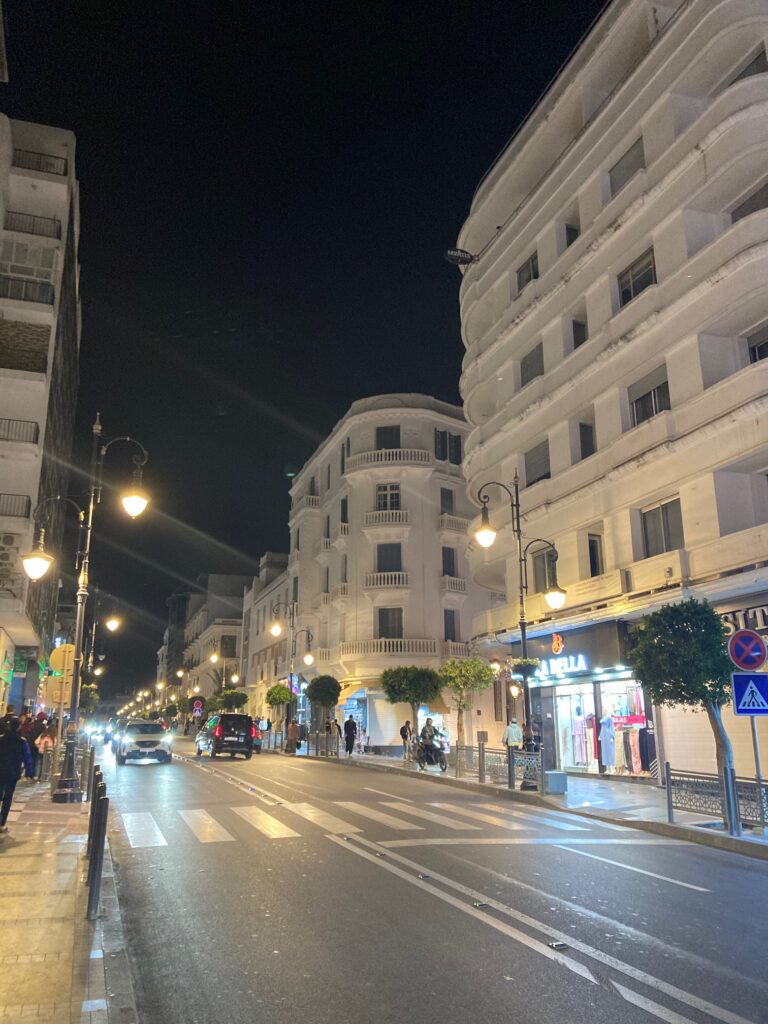
By day I wandered through the old Medina. By evening I walked the Rue d’Italie, absorbing the remnants of the European Tangier that once existed alongside the Arab one. Faded balconies. Colonial façades. Cafés that seemed to belong to another century. Spanish voices still drifting through the streets long after the flags themselves disappeared.
Tangier was once an international city where empires overlapped rather than ruled outright. British, Spanish, French, Arab, Jewish, European and African worlds collided there beside the sea.
And traces of all of them remain.
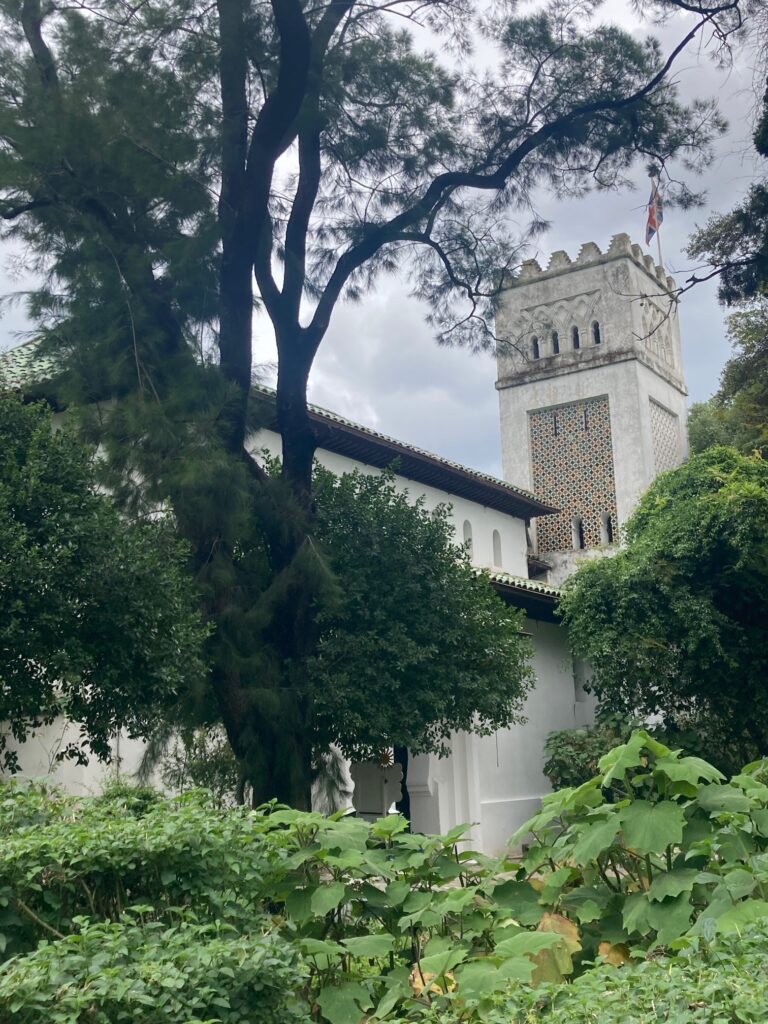
On Sunday morning I attended service at the old Protestant church built by the British in the early twentieth century.
That hour stayed with me.
Not because of doctrine, but because of continuity.
For a moment it felt possible to step backward through time and glimpse the old British Tangier community exactly as it may once have existed. Merchants in linen suits. Naval officers. Consular staff. Families carrying hymn books through North African sunlight while believing, as all civilisations eventually do, that their presence there might somehow endure.
Afterwards I walked slowly through the church graveyard.
War graves.
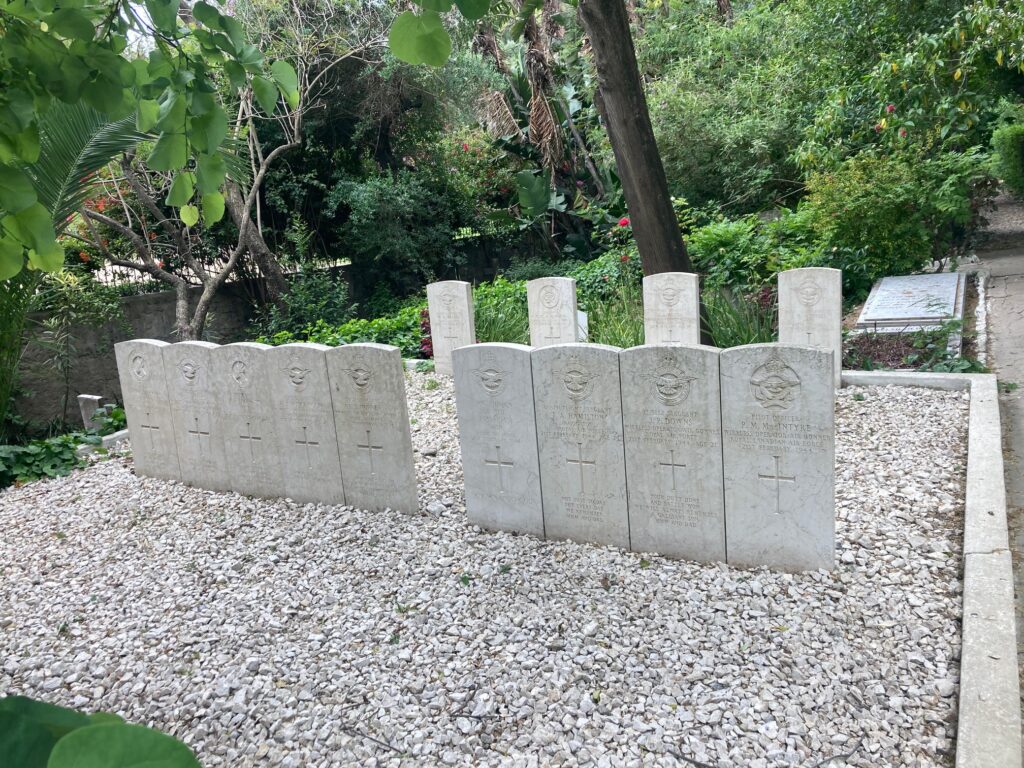
Empire builders.
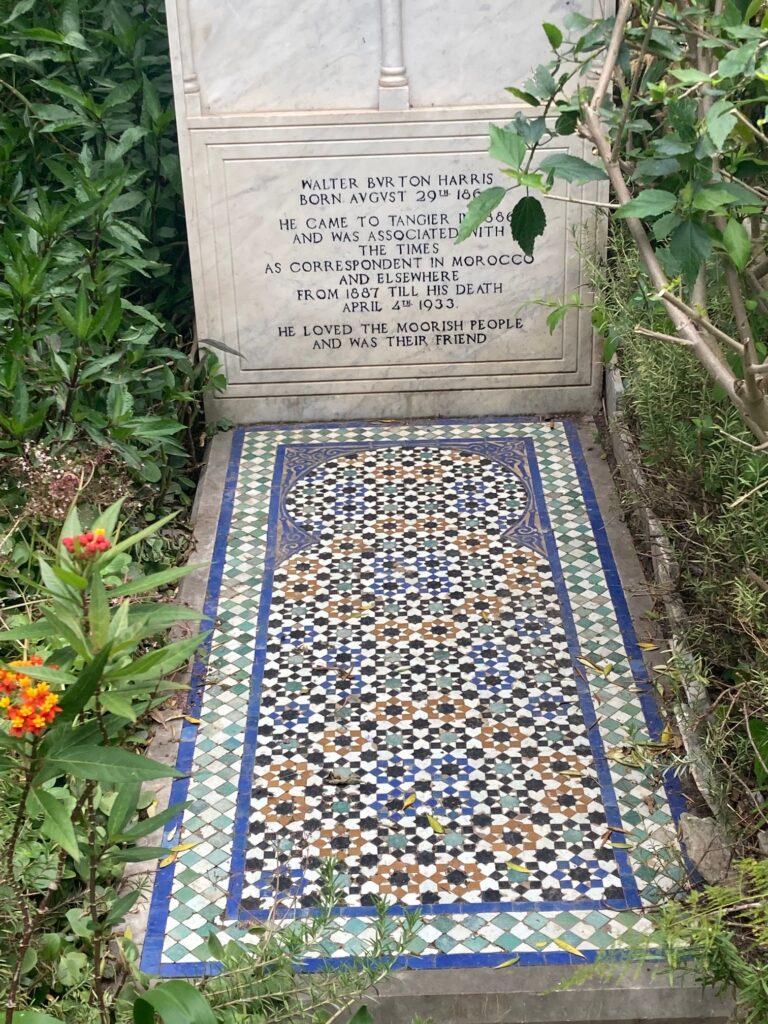
Forgotten surnames carved into weathered stone.
People who once stood confidently at the edge of empire, believing history itself moved in their direction.
Now most lie unvisited beneath palm trees and Atlantic light.
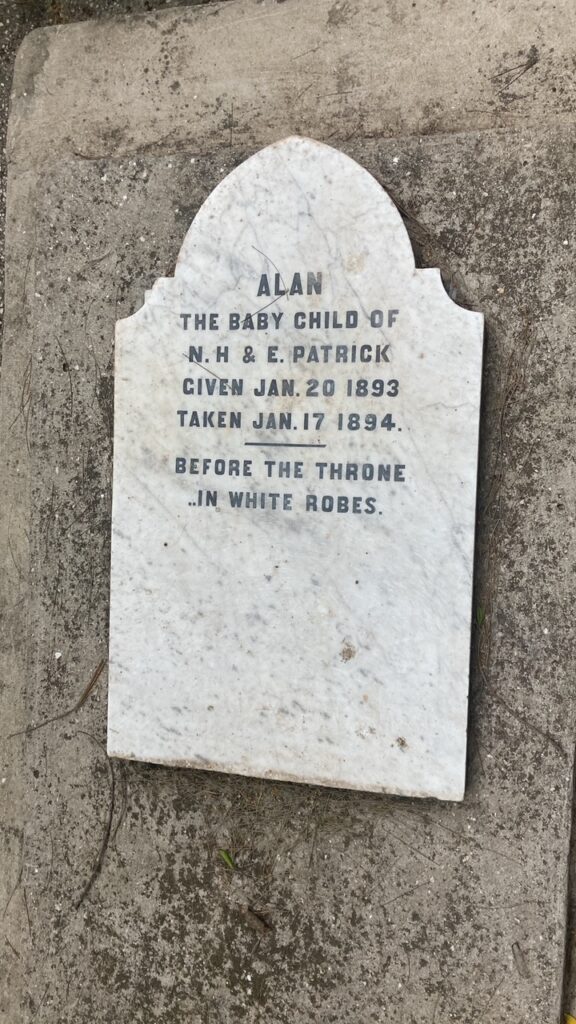
Tangier teaches a hard lesson quietly.
Nothing remains at its height forever.
Not empires.
Not languages.
Not influence.
Not even memory itself.
What fascinated me most was realising how close Tangier came to becoming something else entirely. In many ways the city feels as though it should have become Spanish. Even today Spanish lingers everywhere beneath the surface — in speech, architecture, rhythm and temperament. It remains the city’s second language long after the age that created it has passed.
Yet even that influence now feels impermanent.
Perhaps nowhere more so than in the enormous modernist Spanish cathedral built during the late 1950s. A brutal concrete declaration of permanence. Spain, it seemed, still imagined itself rooted there indefinitely.
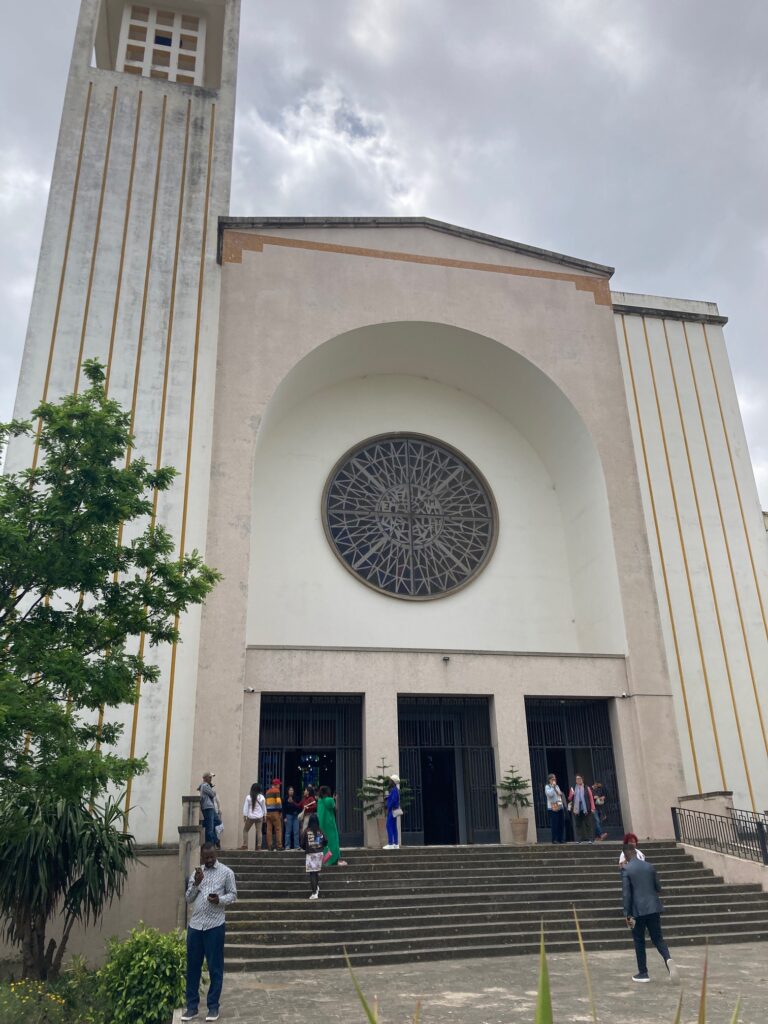
But today the building already carries the melancholy of a future that failed to arrive.
That is Tangier.
A city where every civilisation eventually becomes an echo.
Arab.
Spanish.
French.
British.
One layer settling quietly upon another beside the sea.
And perhaps that is why I loved it so much.
Because Tangier does not flatter modern illusions of permanence.
It reminds a man that all power is temporary.
All empires recede.
All railways eventually stop at another station.
Even the ones that once printed their names upon the stamps of the world.